Part III. The Nature of Goa.
The territory of Goa is covered by a mountain range called the Western Ghats, with a maximum height here reaching 1167 meters above sea level. The mountains are low, covered with jungles, and intersected by rivers that flow into the Indian Ocean.
This is home to Goa's largest reserve, Bhagwan Mahavir, which includes the Dudhsagar Waterfall, one of the main goals of our visit here.
***
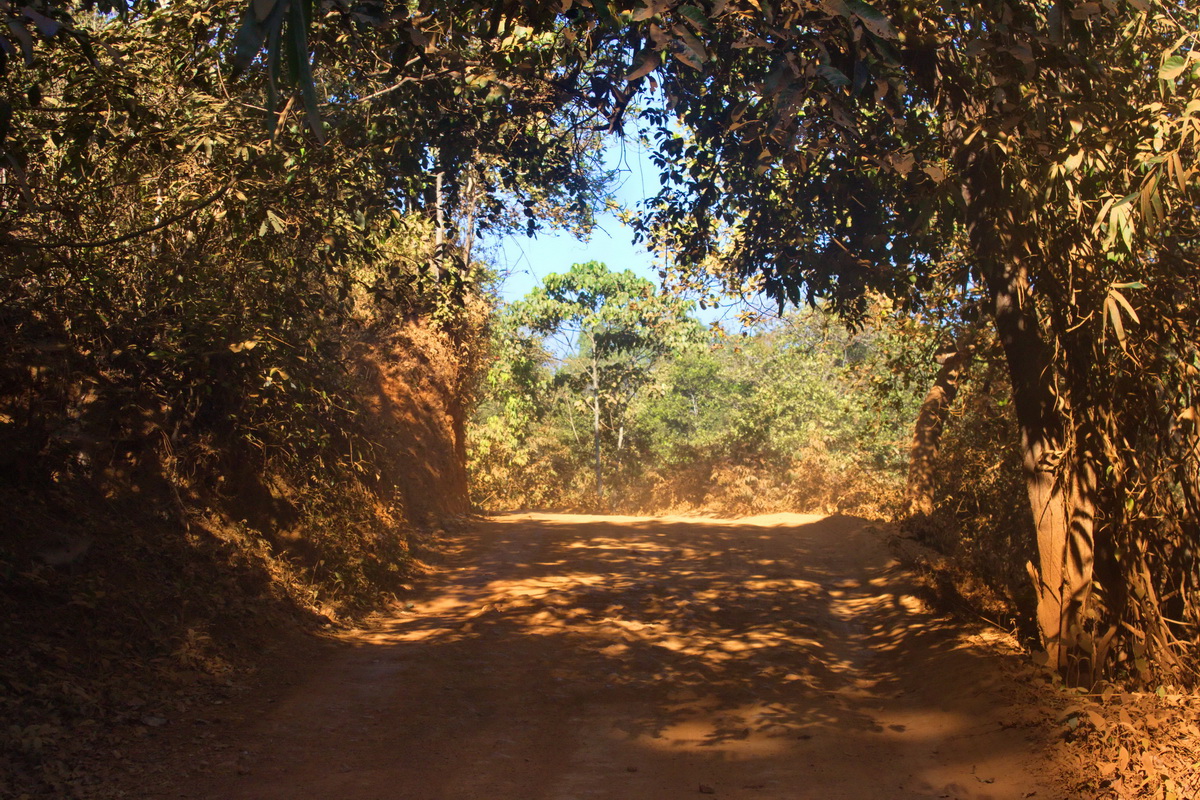
Roads in the jungle are usually very dusty. Everything around is covered with a thick layer of reddish-orange dust.
...
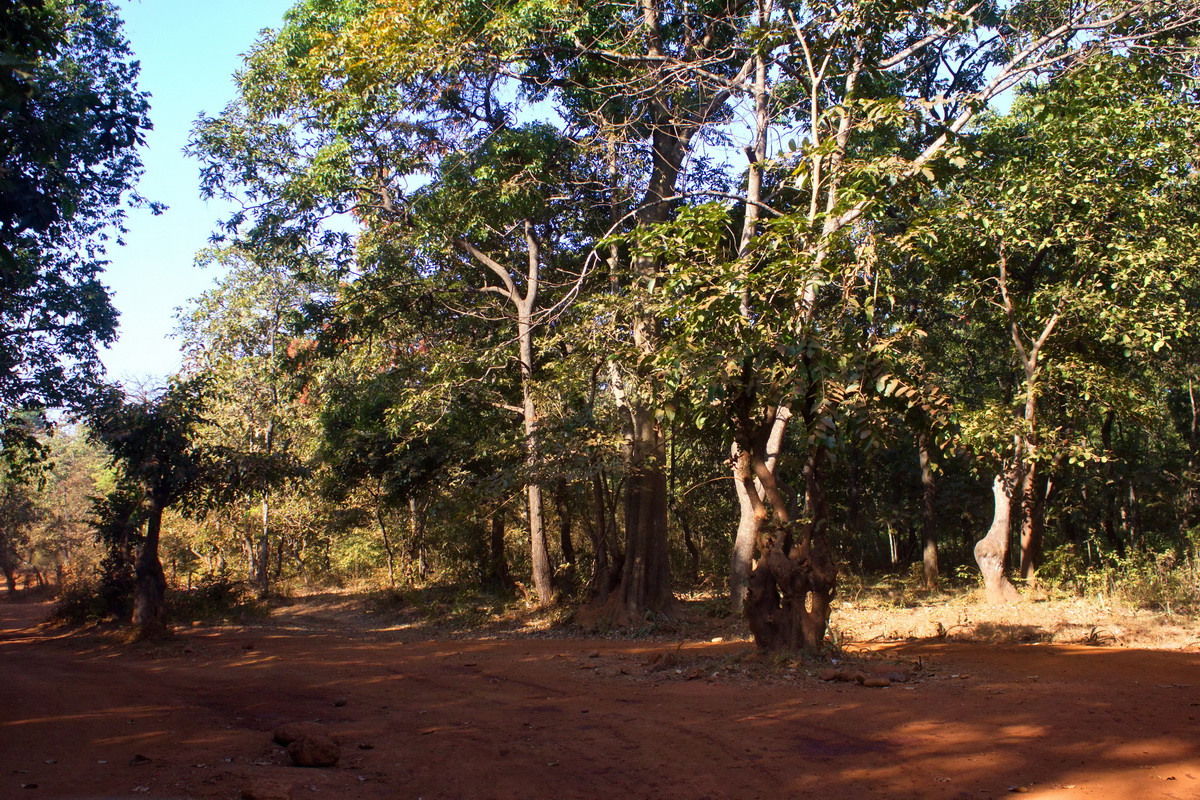
There’s a bit less dust here.
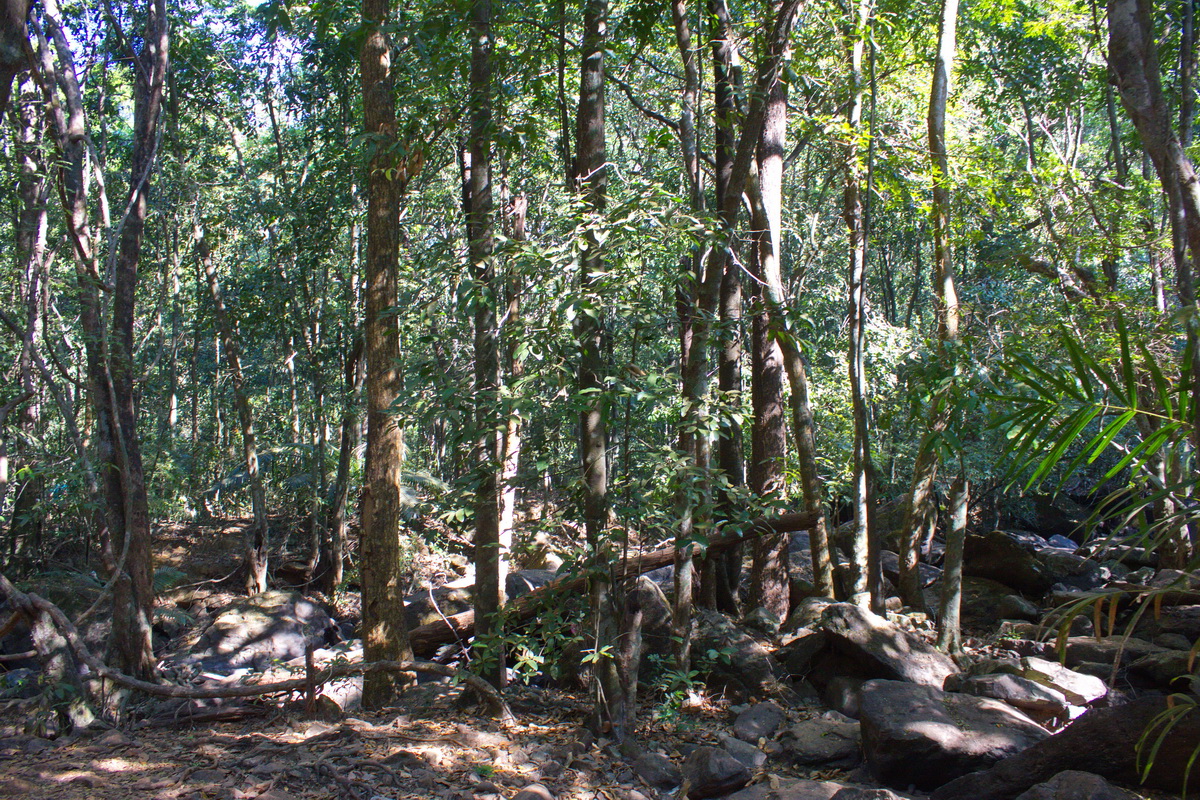
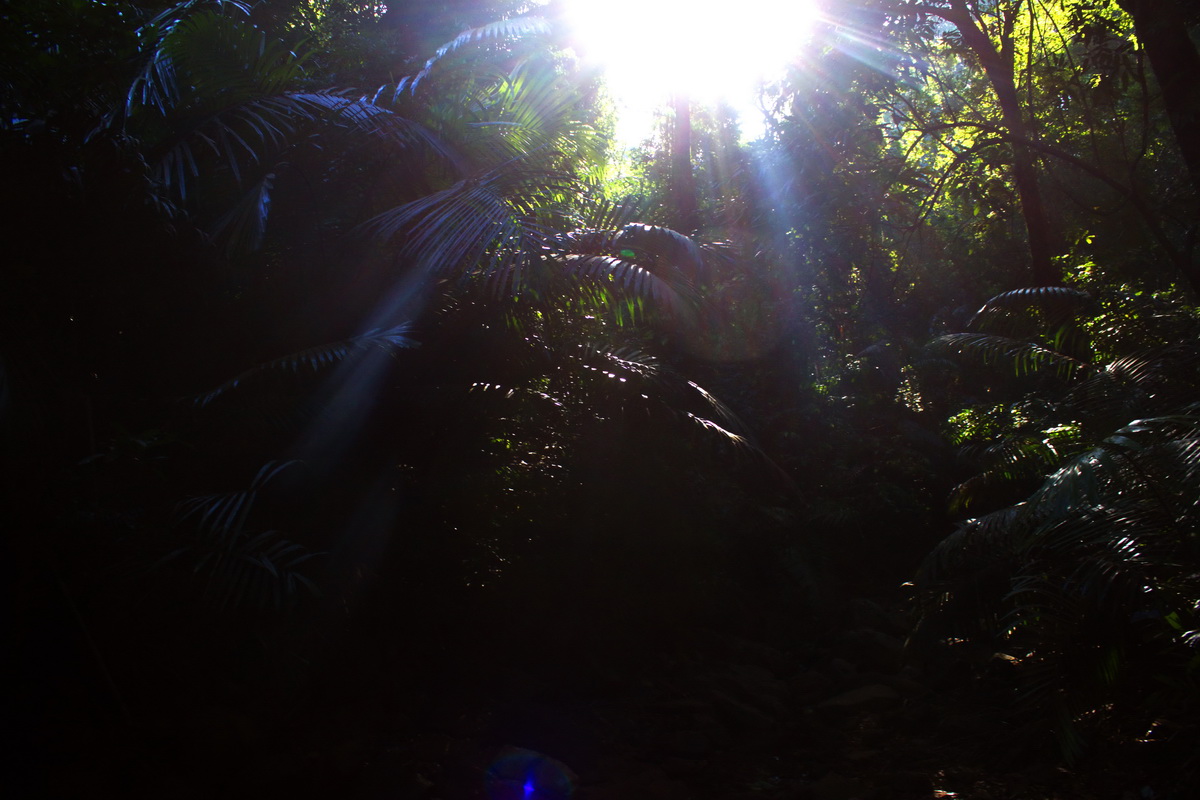
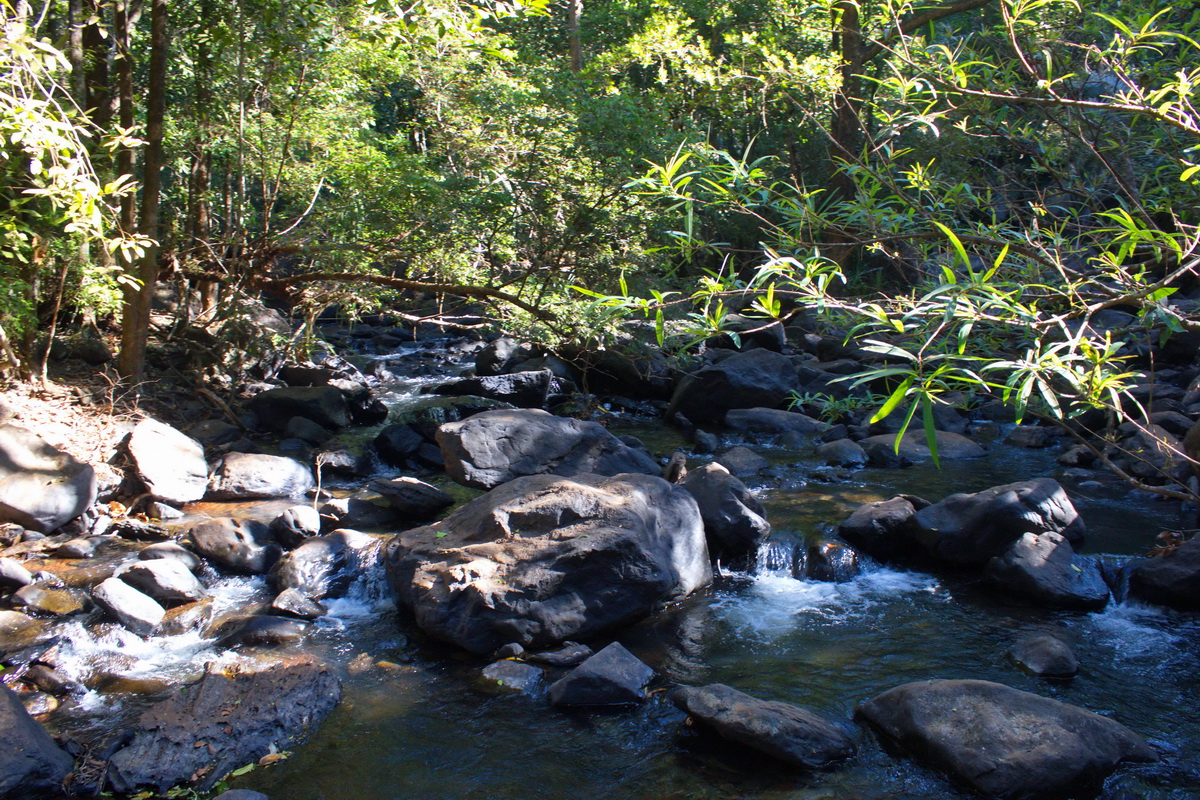
On a clear sunny day, it can be quite dark here due to the dense vegetation.
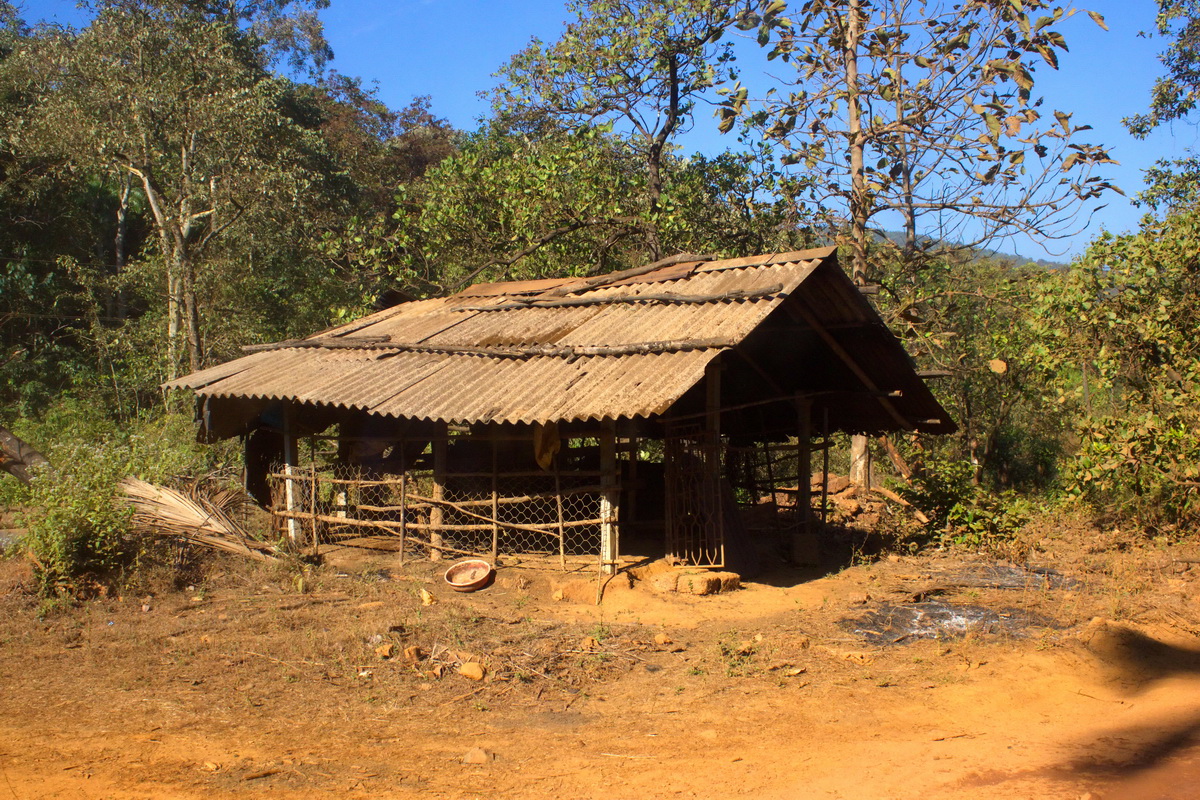
Forester’s hut.
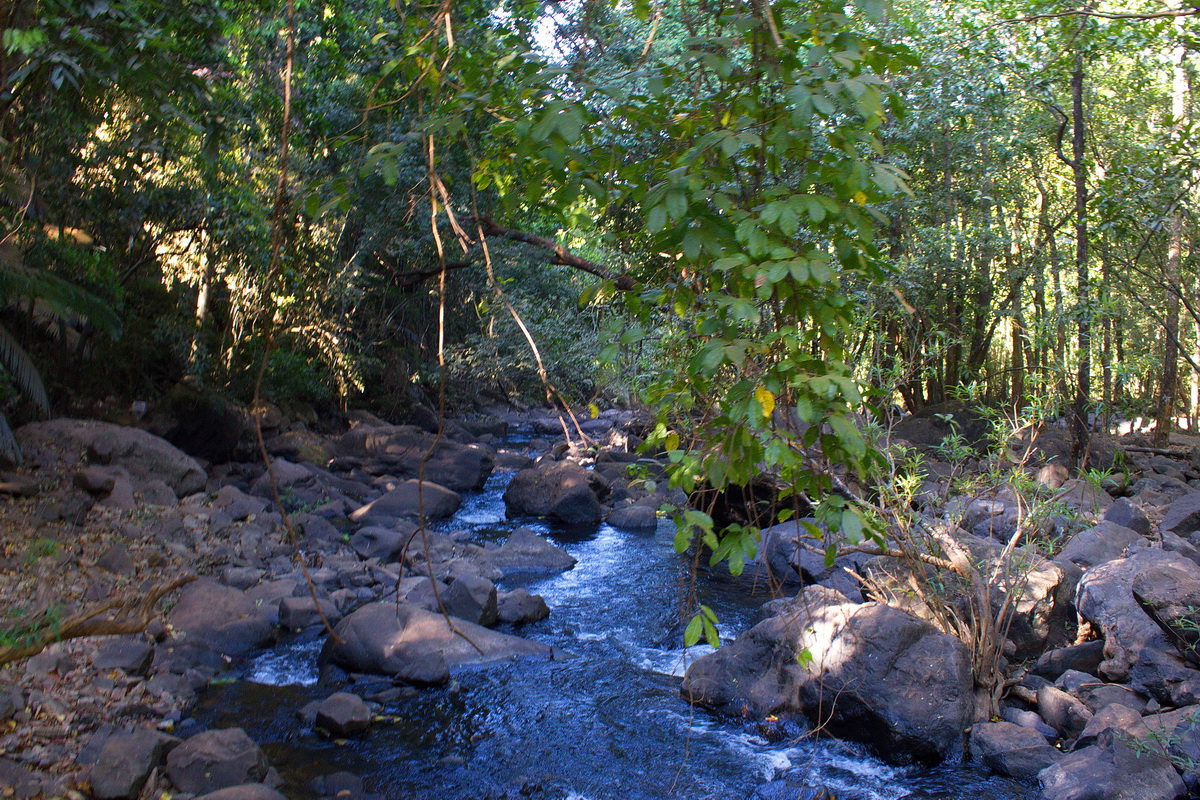
Numerous streams flow here.
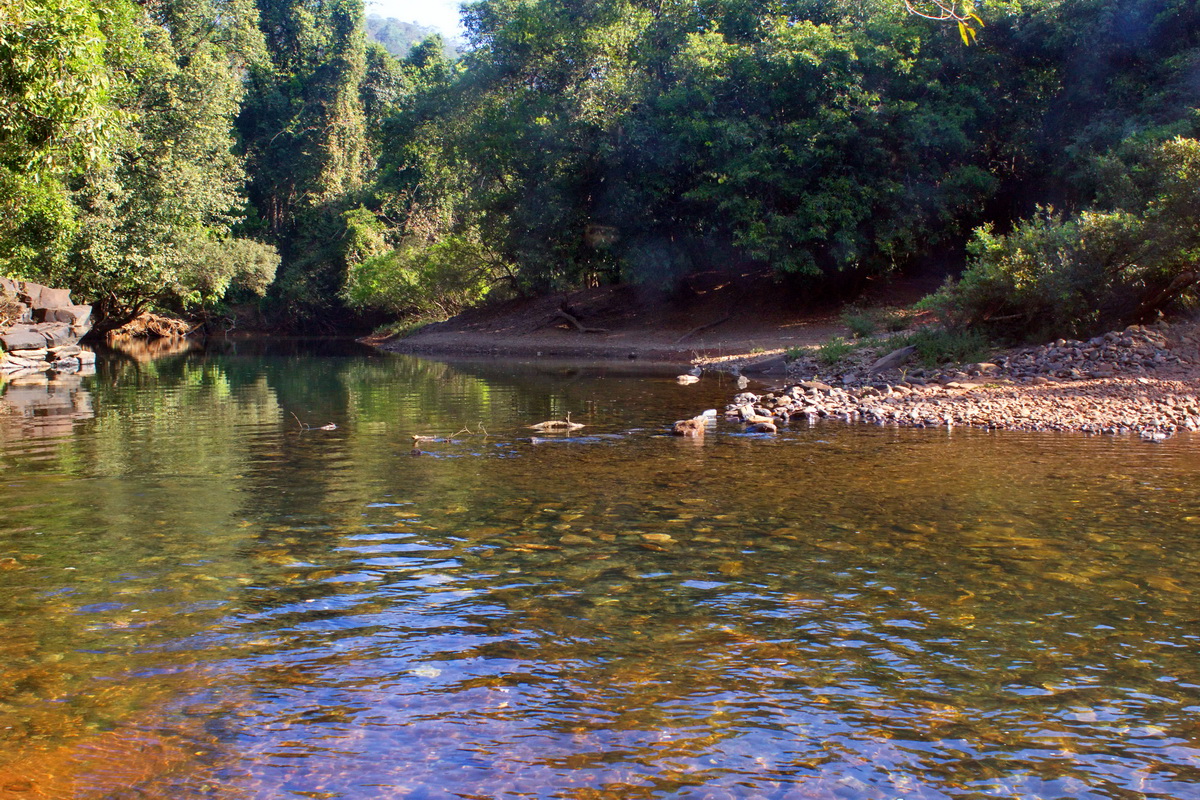
The water in them is often orange and opaque. You can only pass through here by jeep.
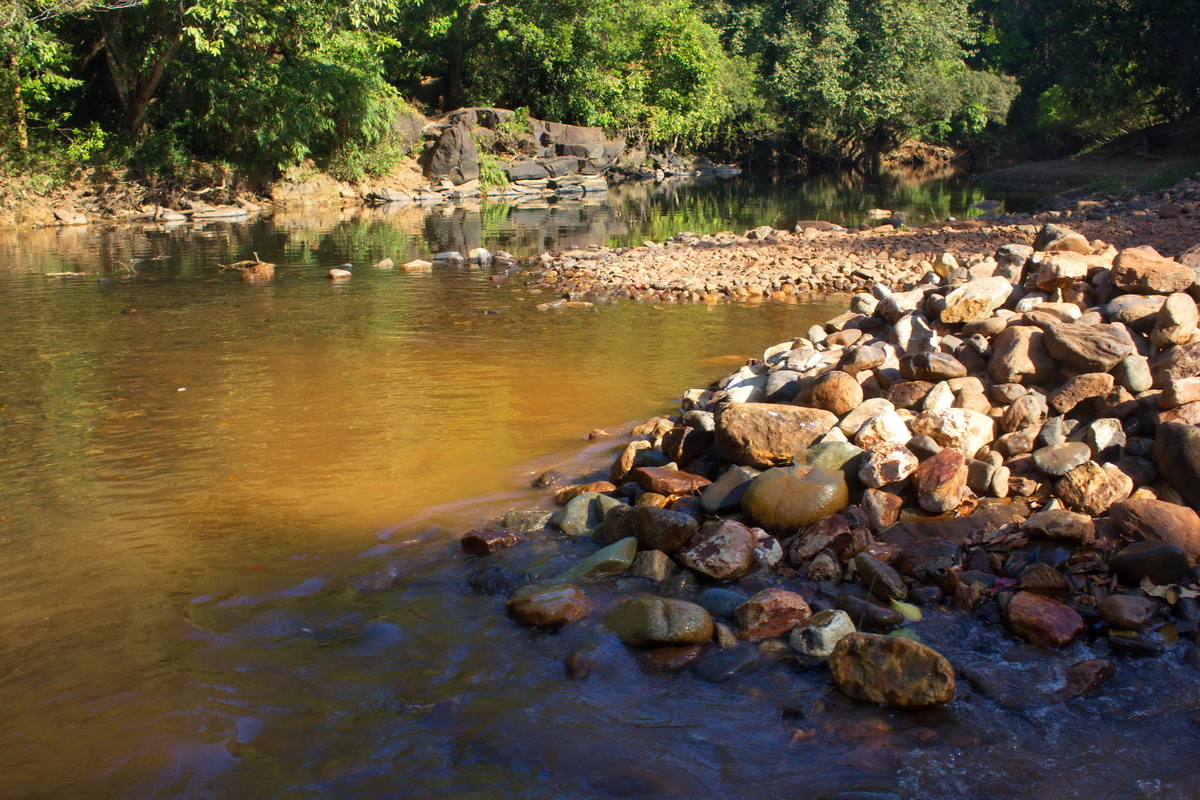
...
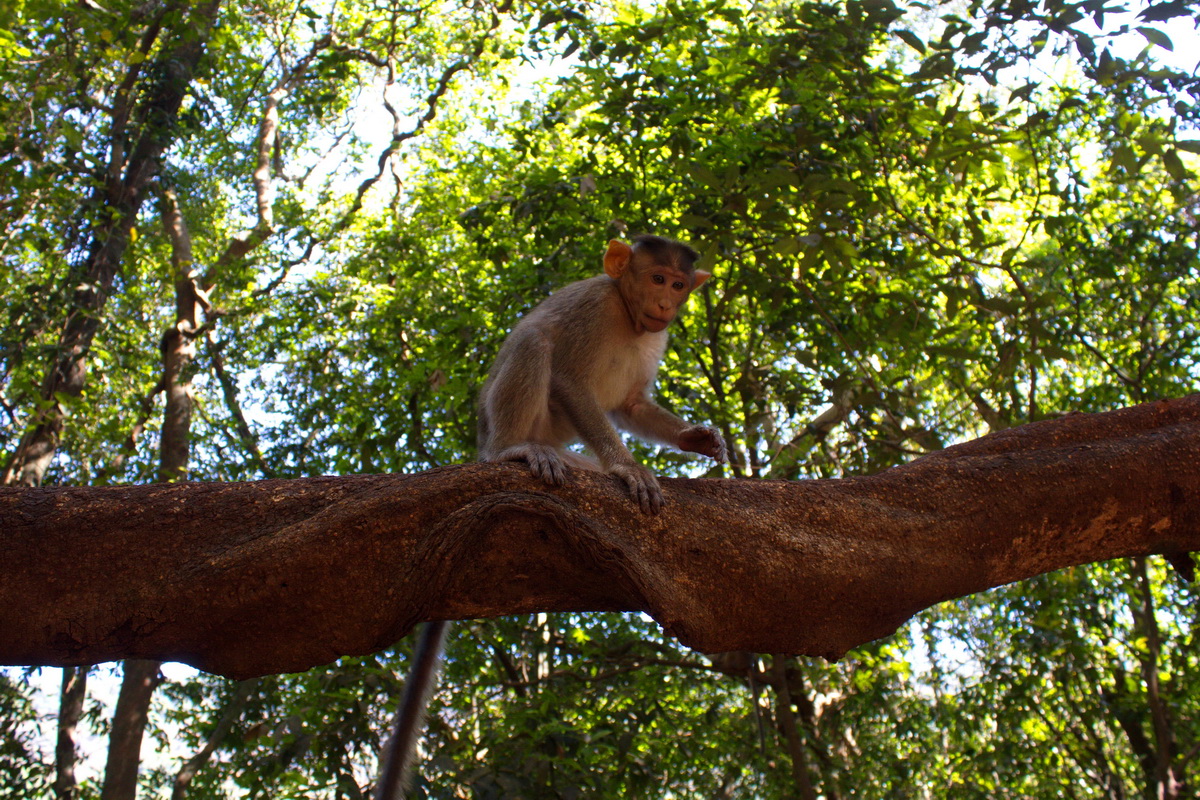
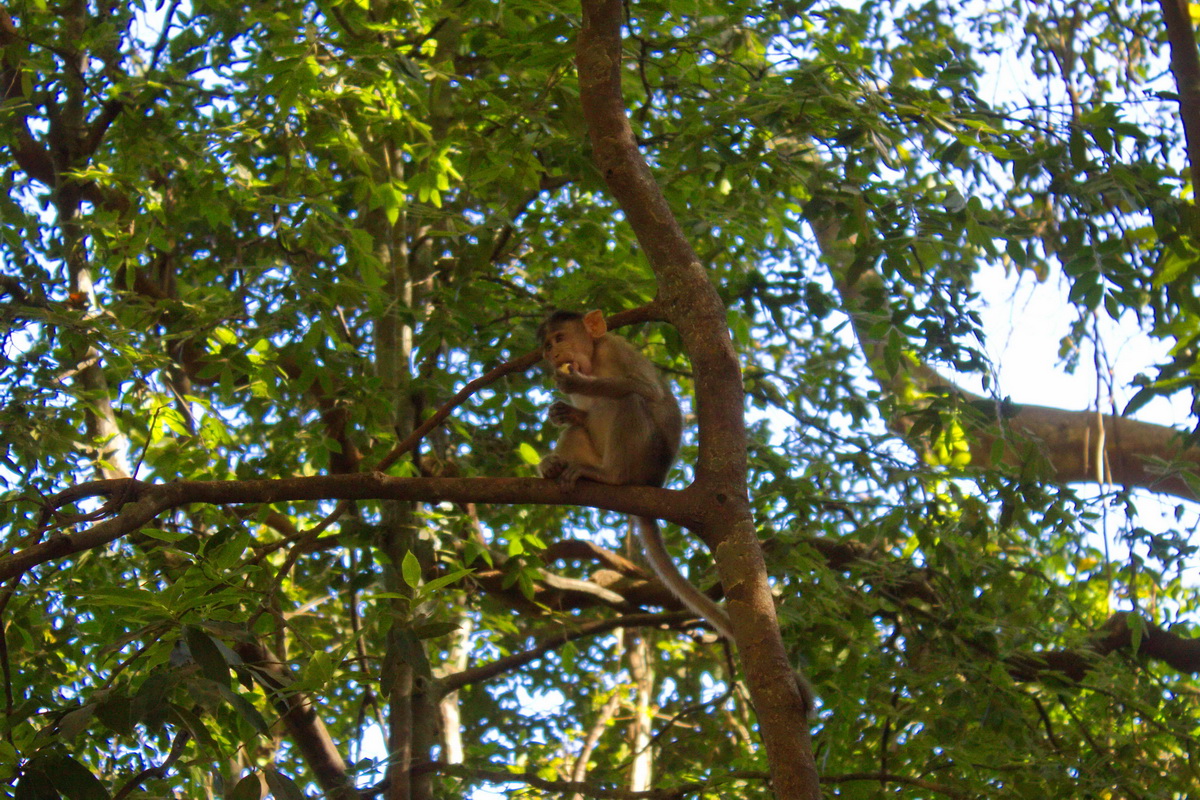
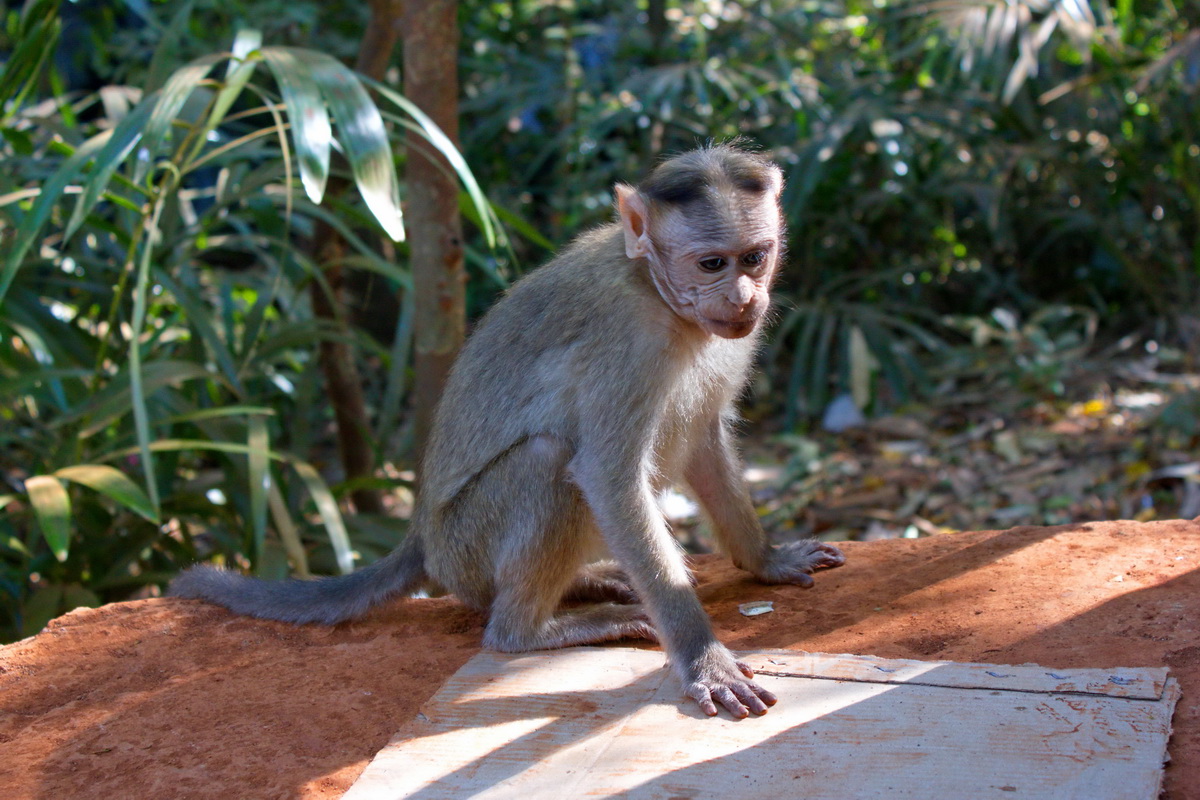
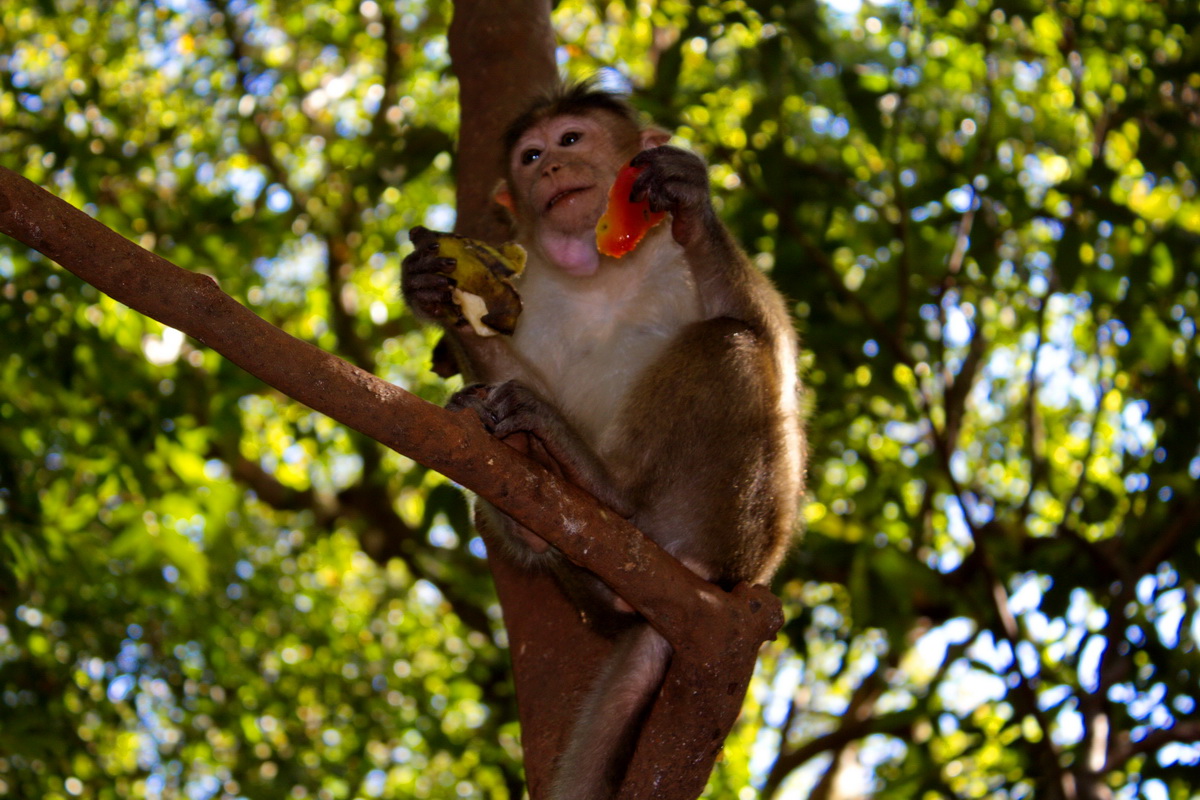
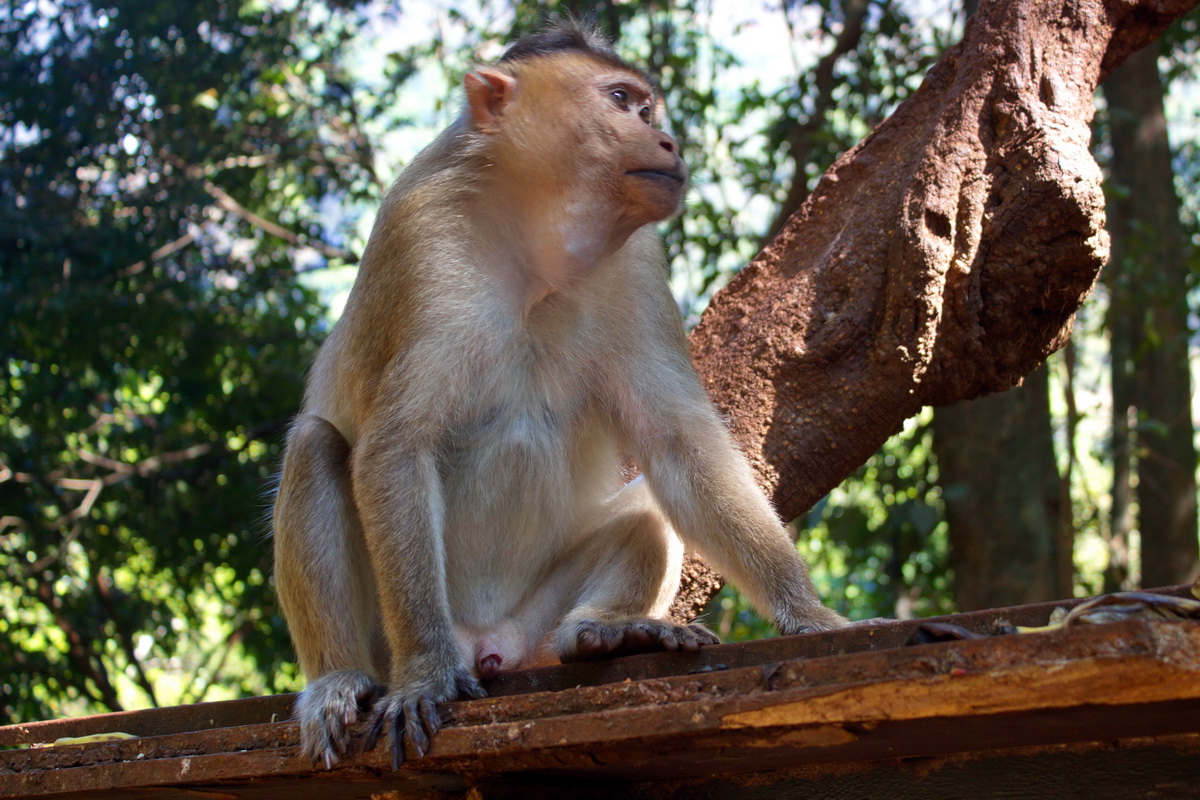
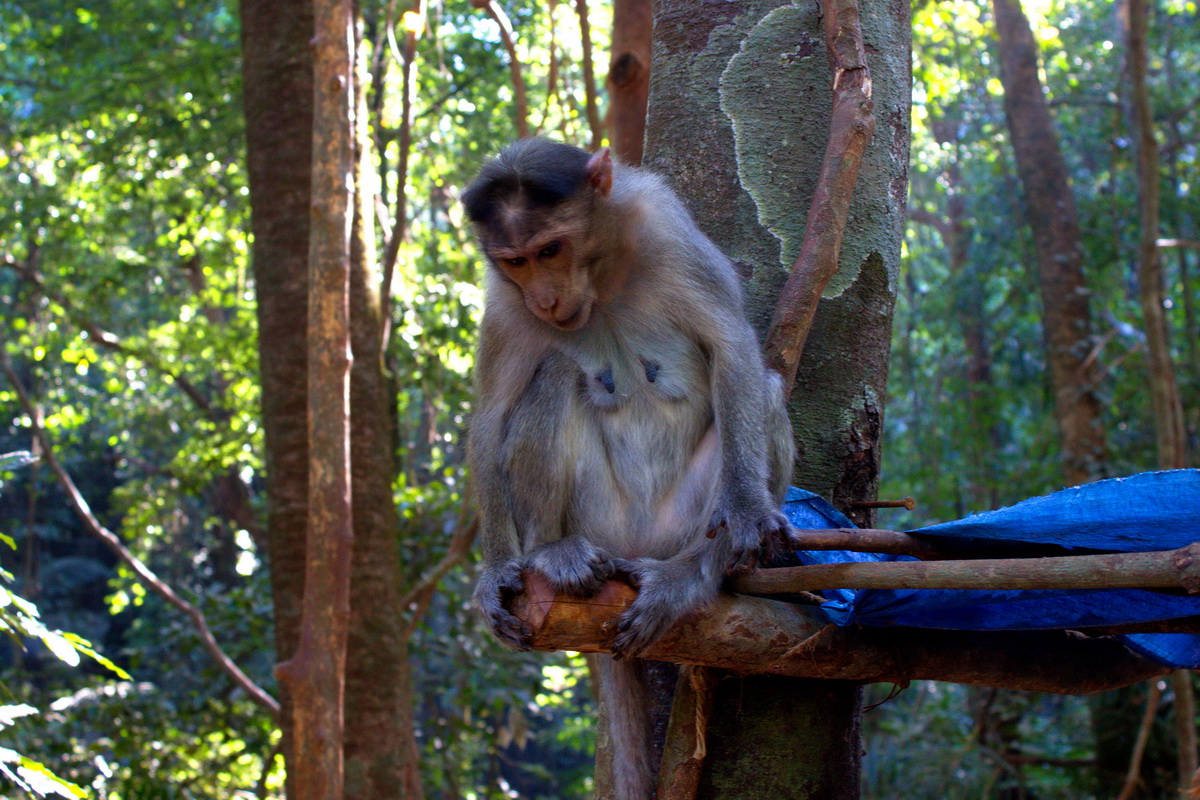
You can encounter monkeys (macaques) here. More precisely, they will find you. You can treat them with nuts, bananas, or tomatoes.
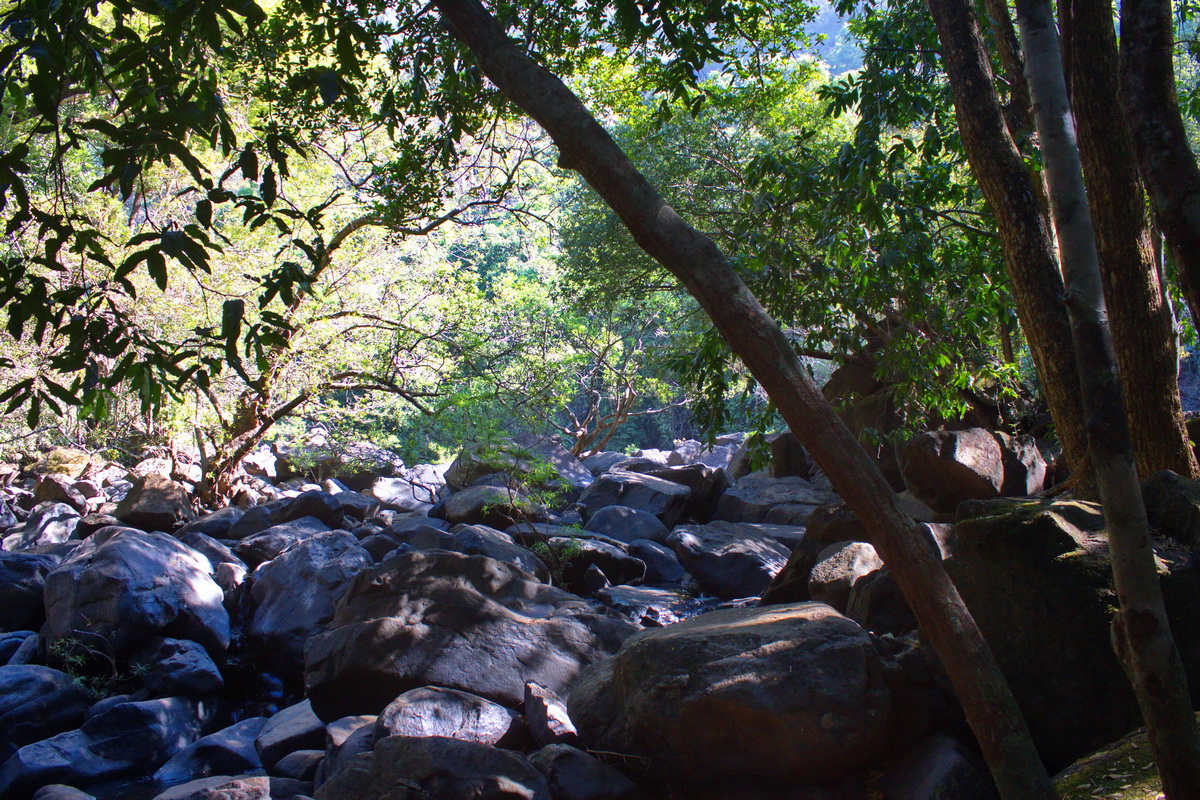
Getting to the waterfall can be challenging, with large rocks scattered around.
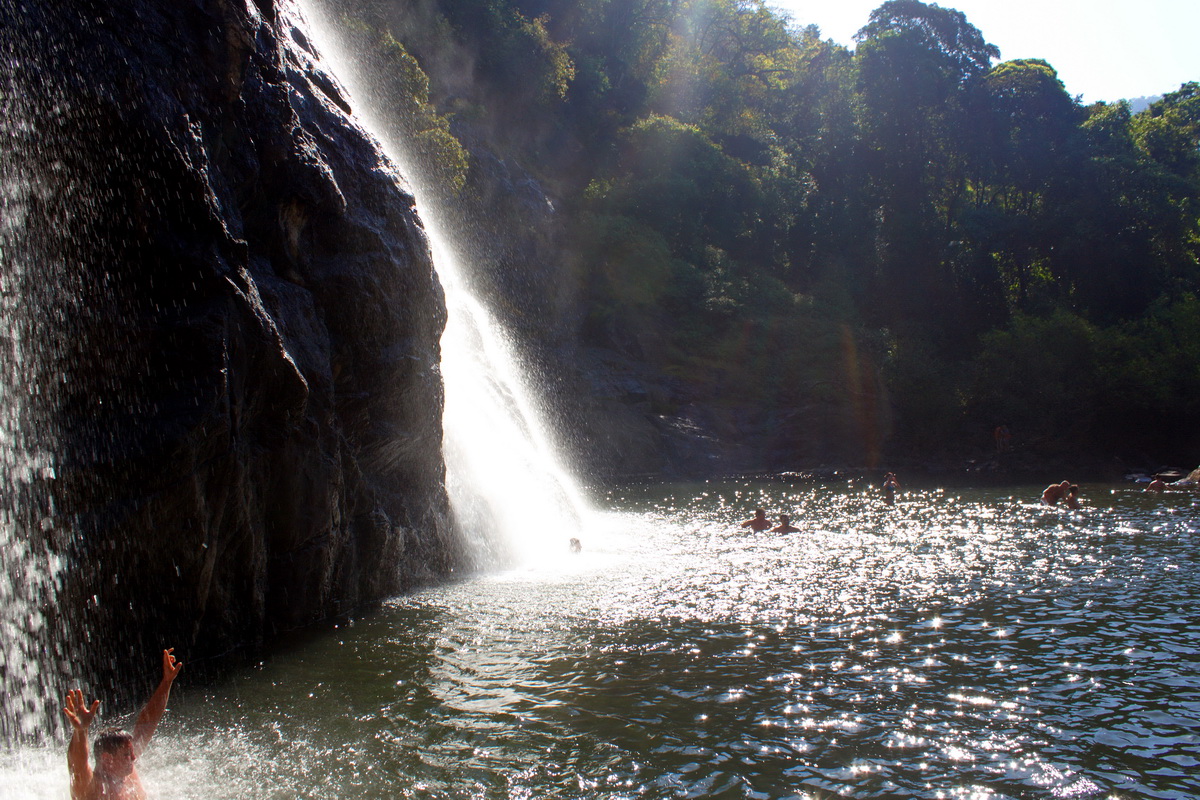
Dudhsagar Waterfall. It stands 310 meters tall. In winter, there’s little water here, but during the rainy season, there’s much more. A railway passes through the waterfall. Dudh Sagar translates from Marathi as “Ocean of Milk.”
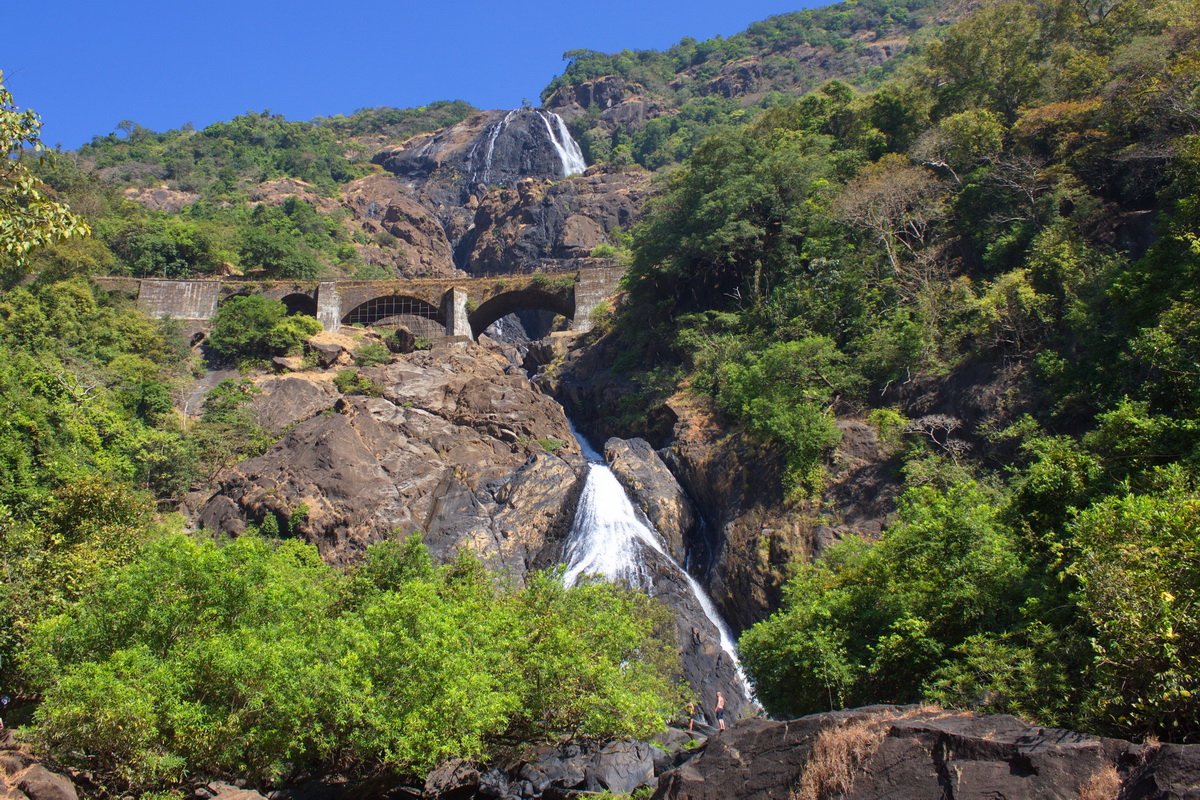
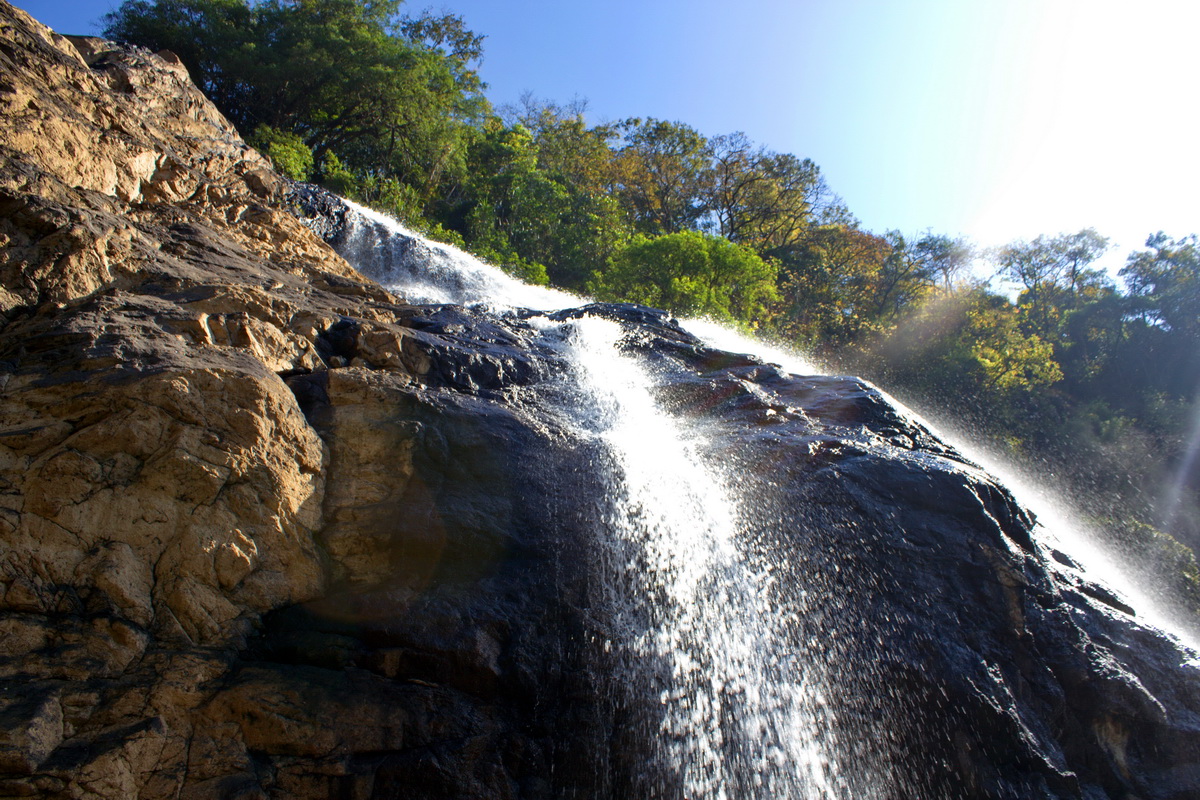
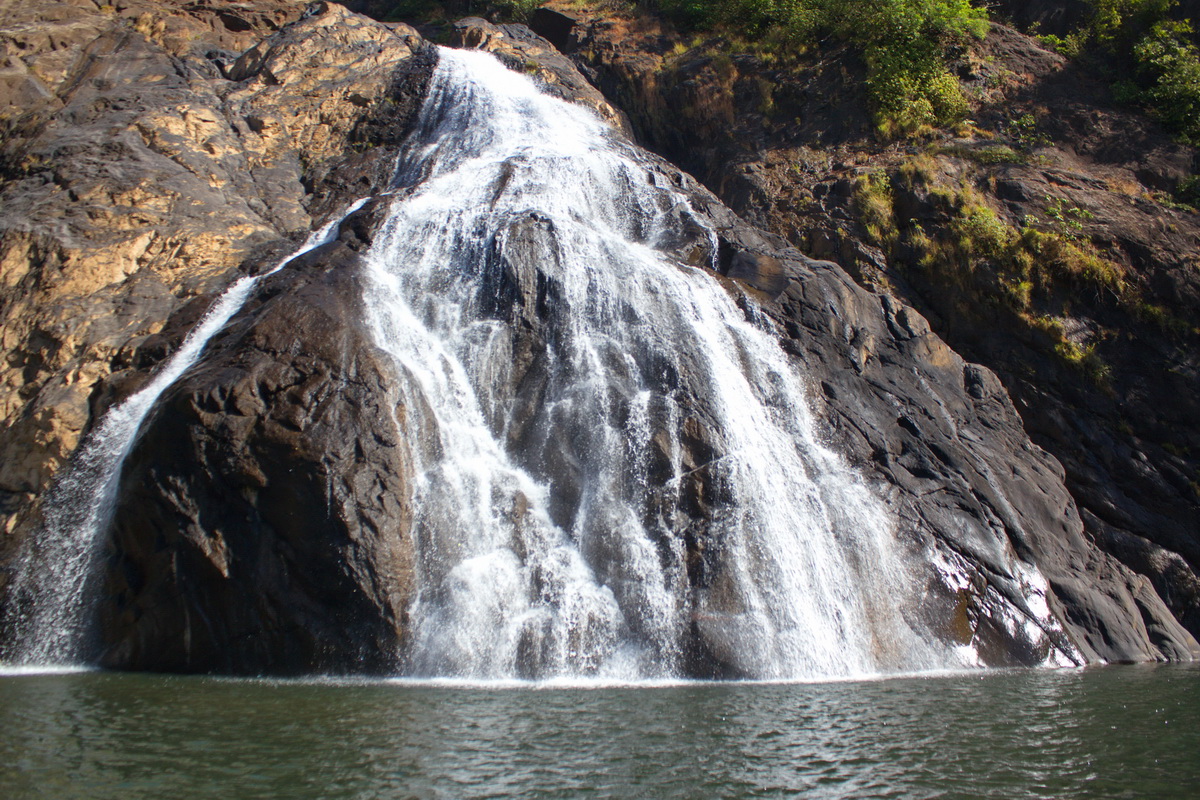
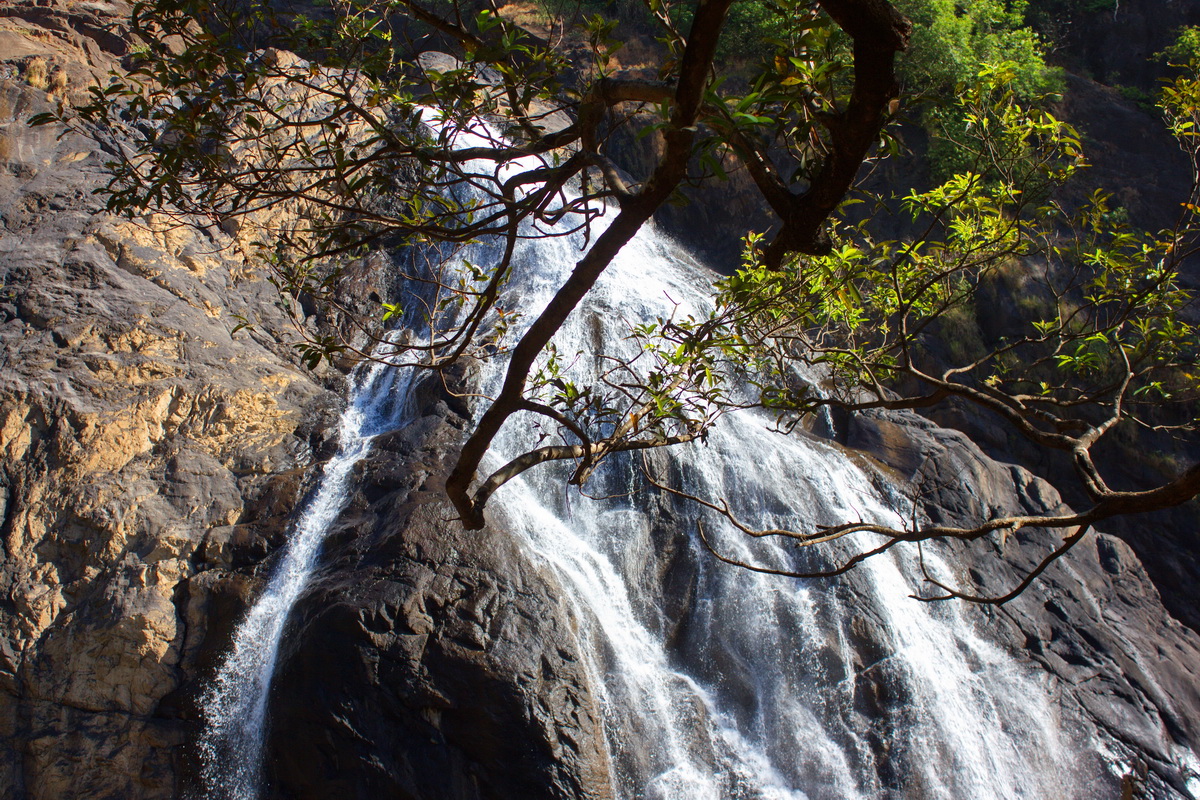
You can swim in the lake below the waterfall. The water here is cool.
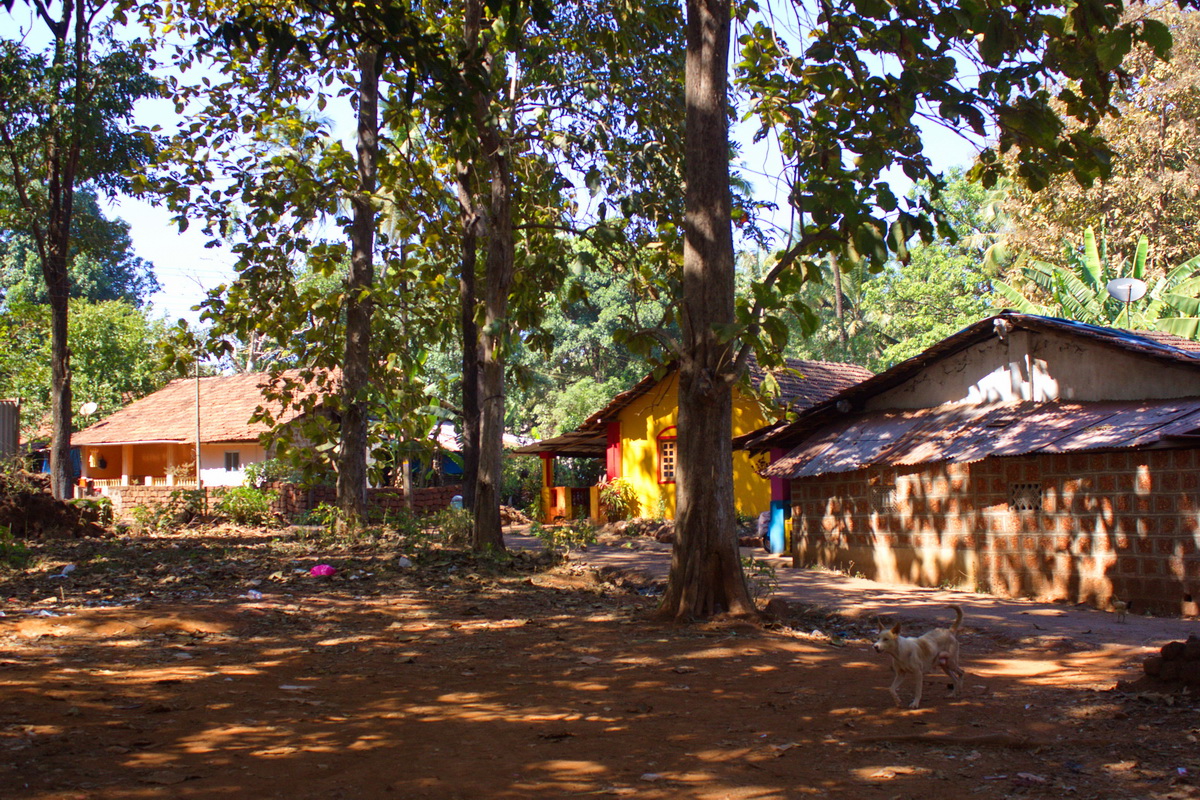
Relatively nearby, there’s a village where elephants live.
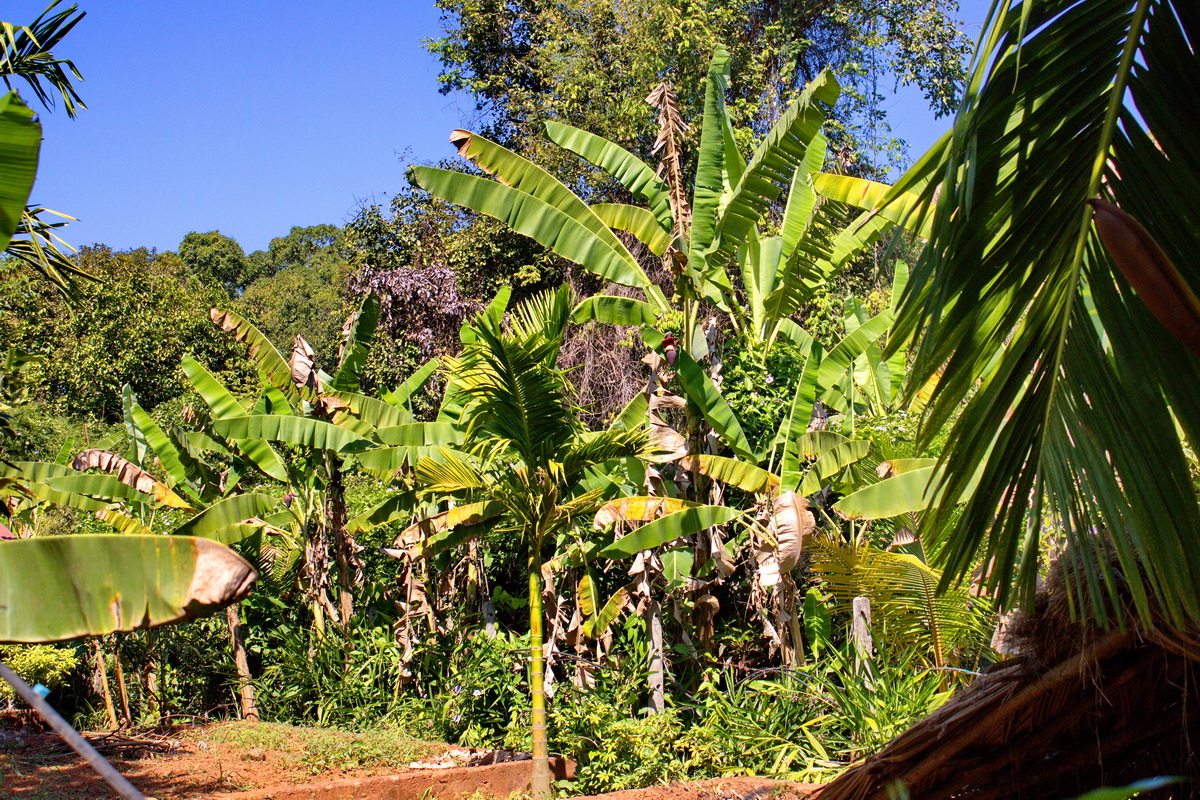
Bananas grow here.
Baby elephant.
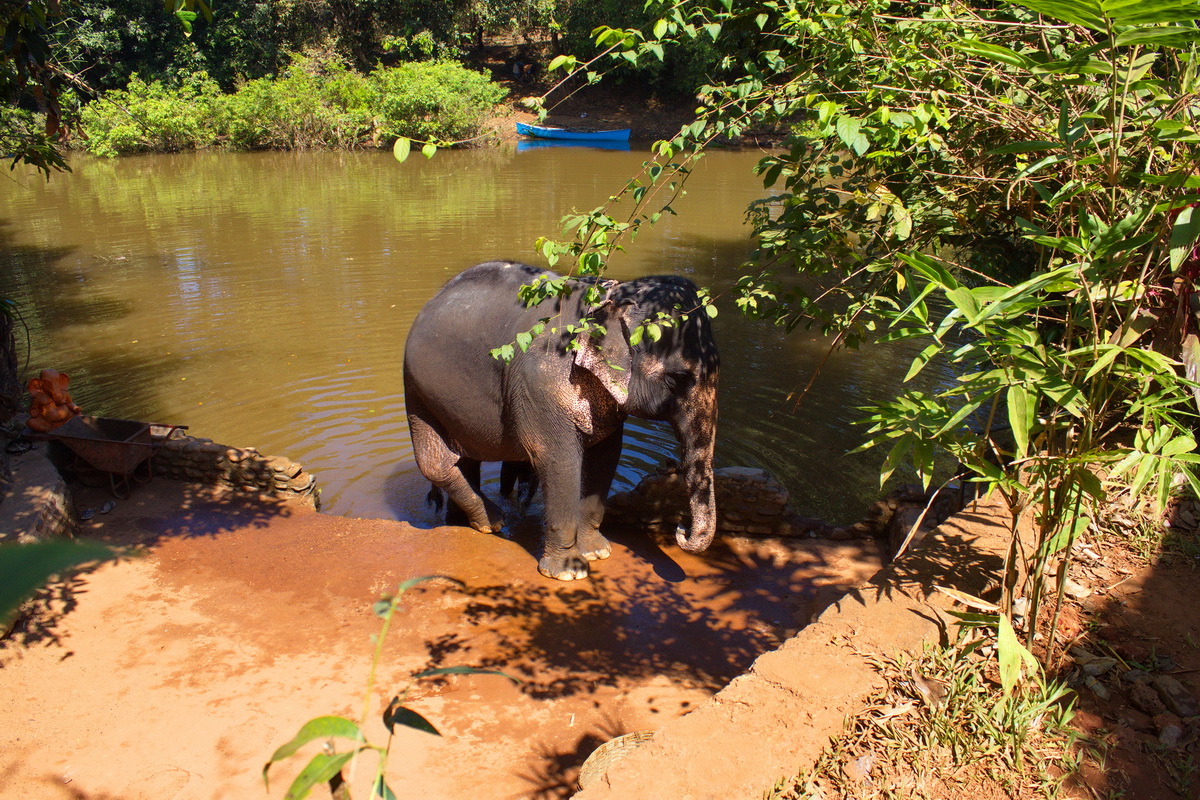
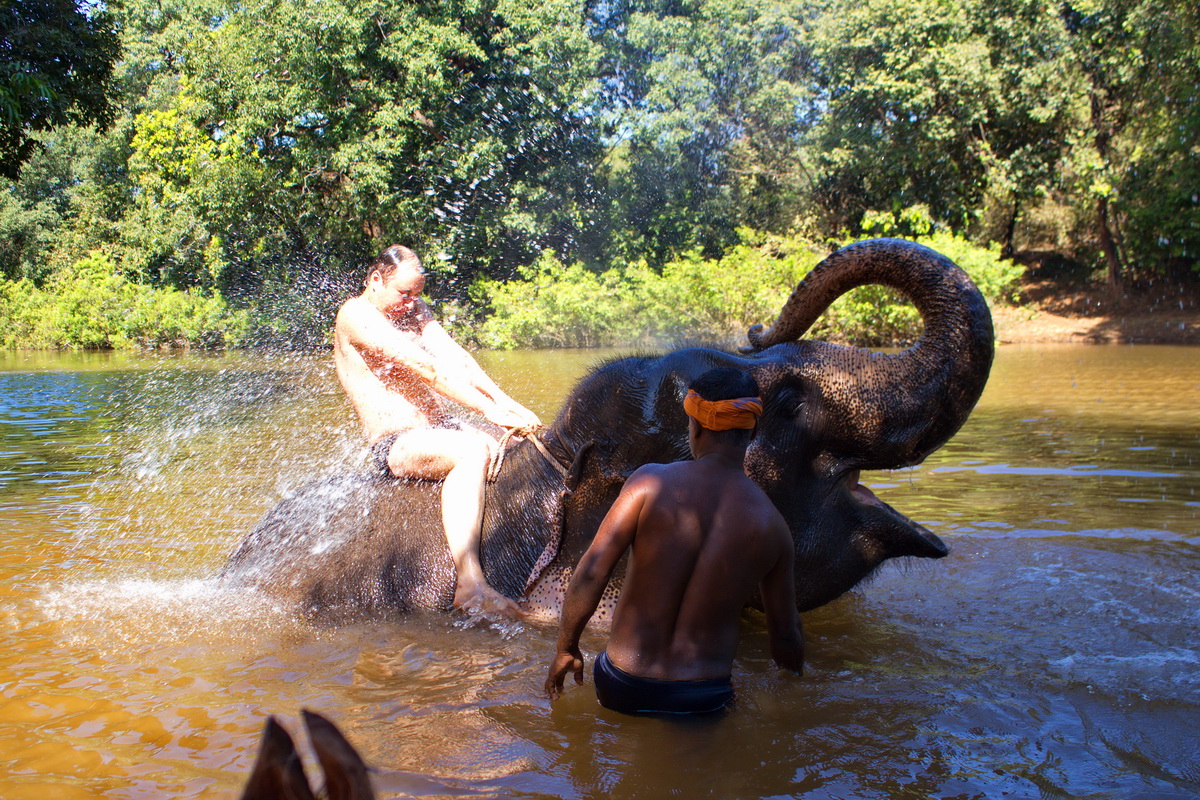
You can take a refreshing shower from an elephant’s trunk. It’s really fun and exciting.
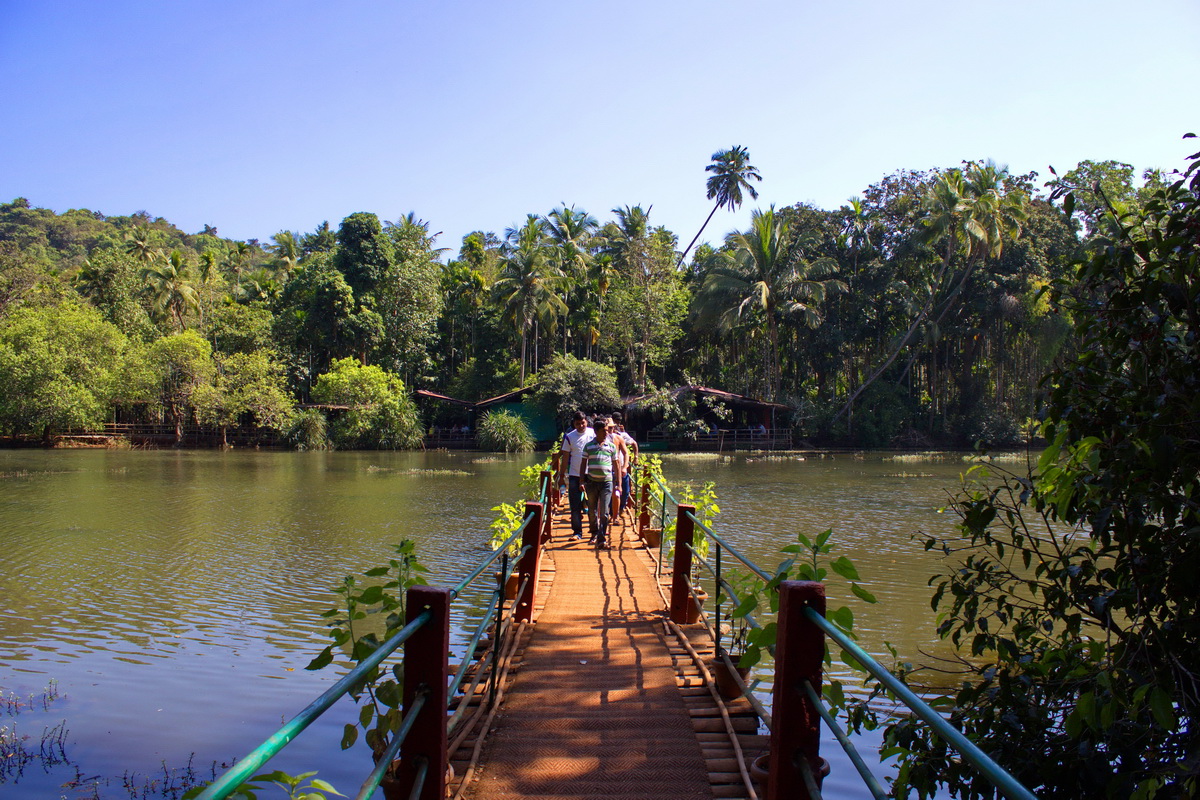
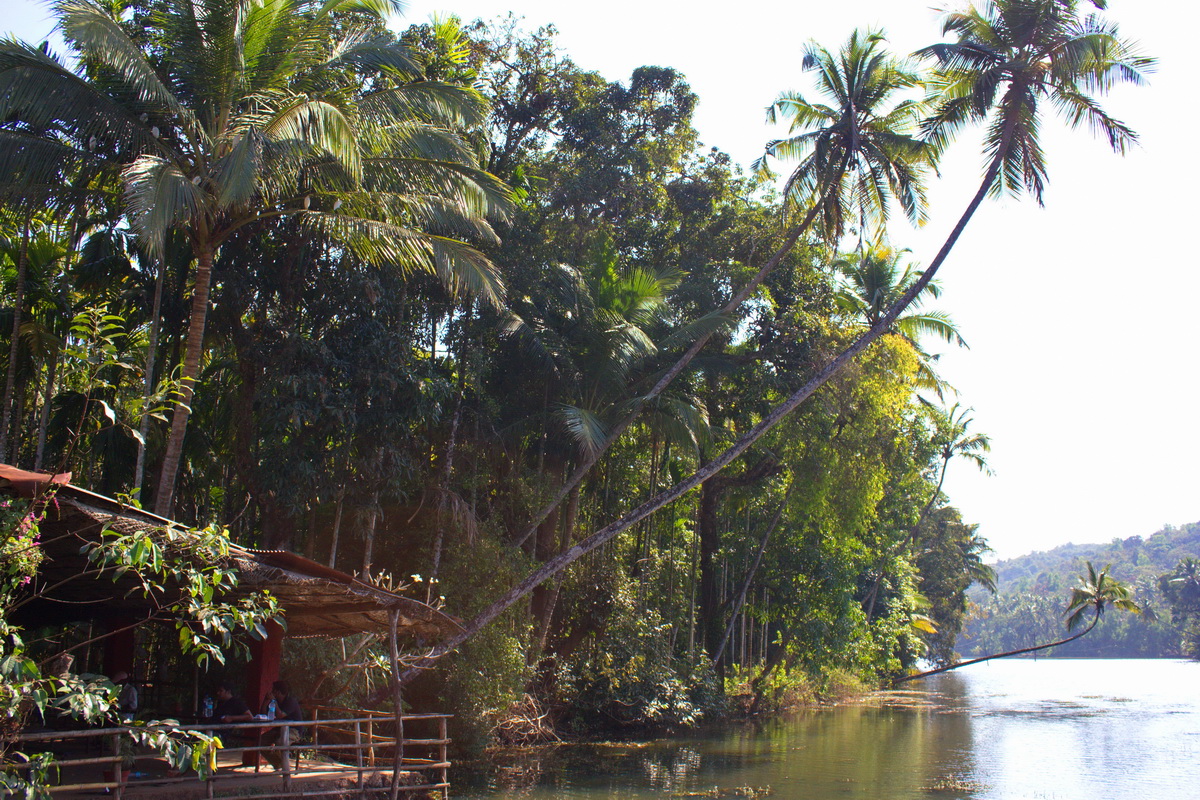
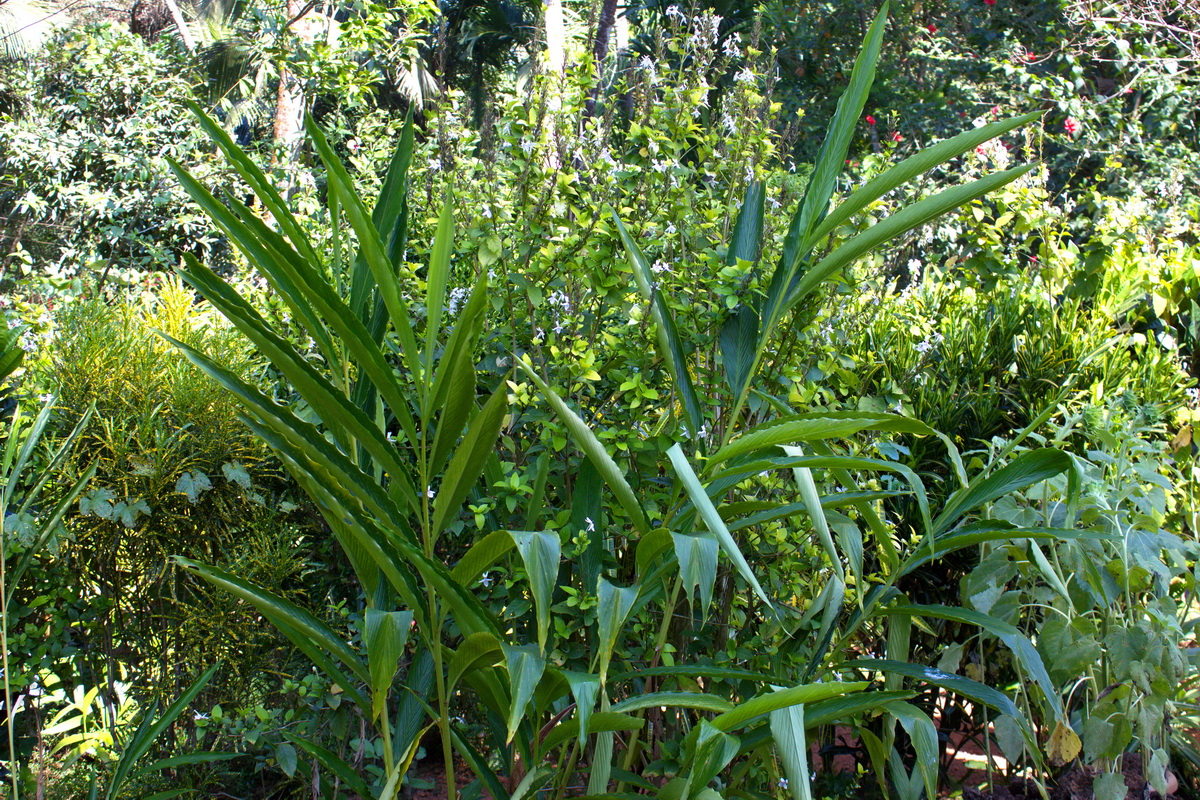
There’s also a spice plantation nearby, where you can see how various plants grow in India.
...
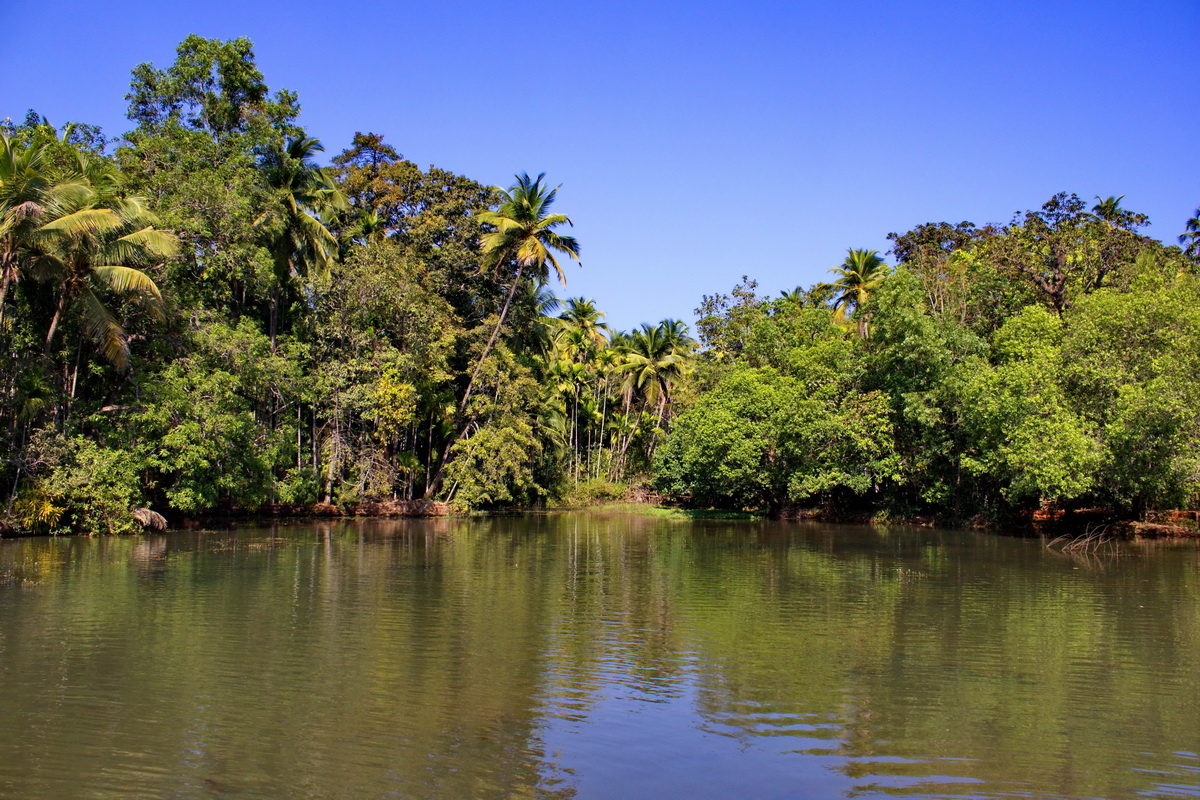
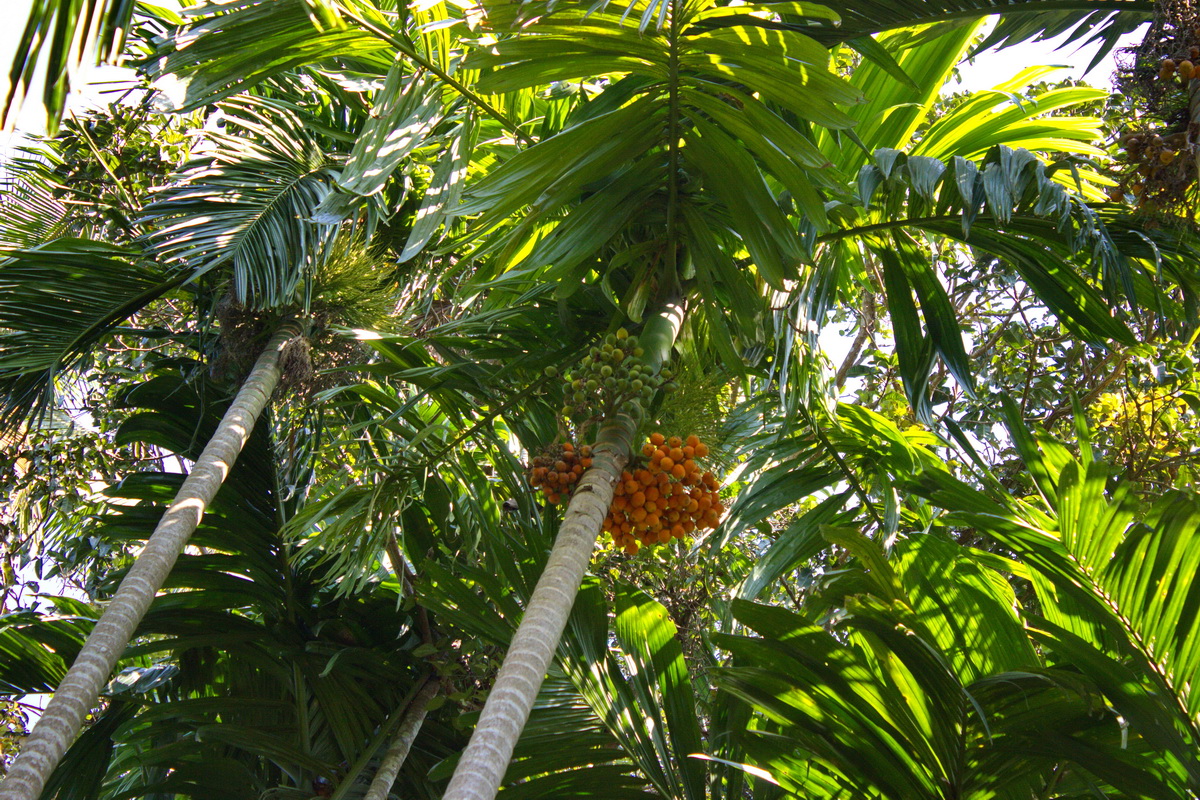
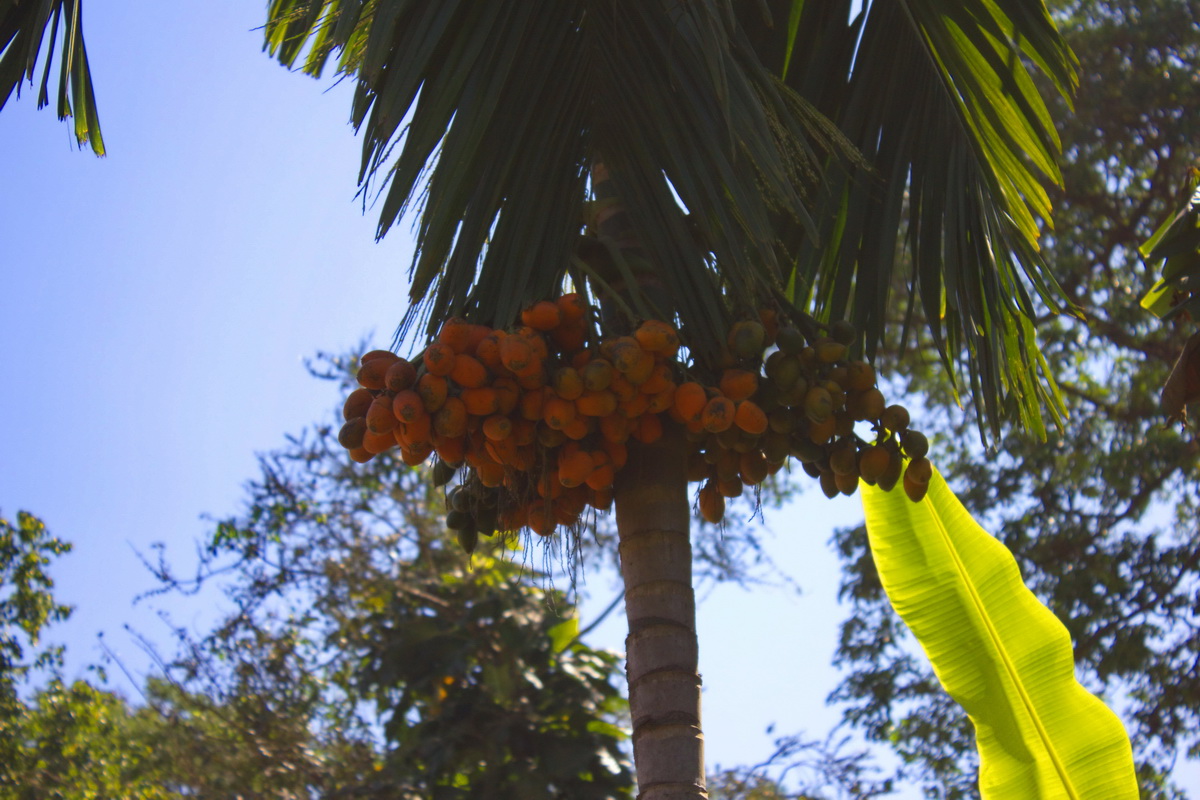
Betel palm. Its seeds are used with spices as a legal narcotic, popular among Indians.
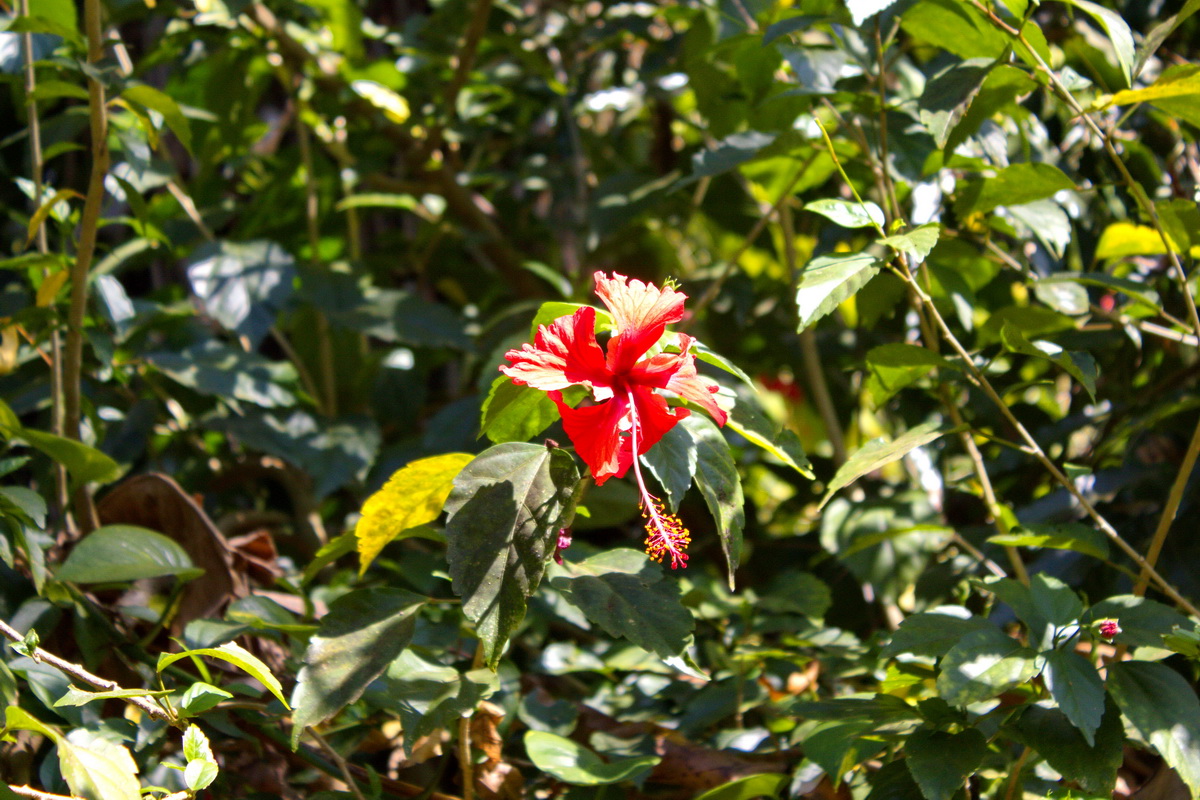
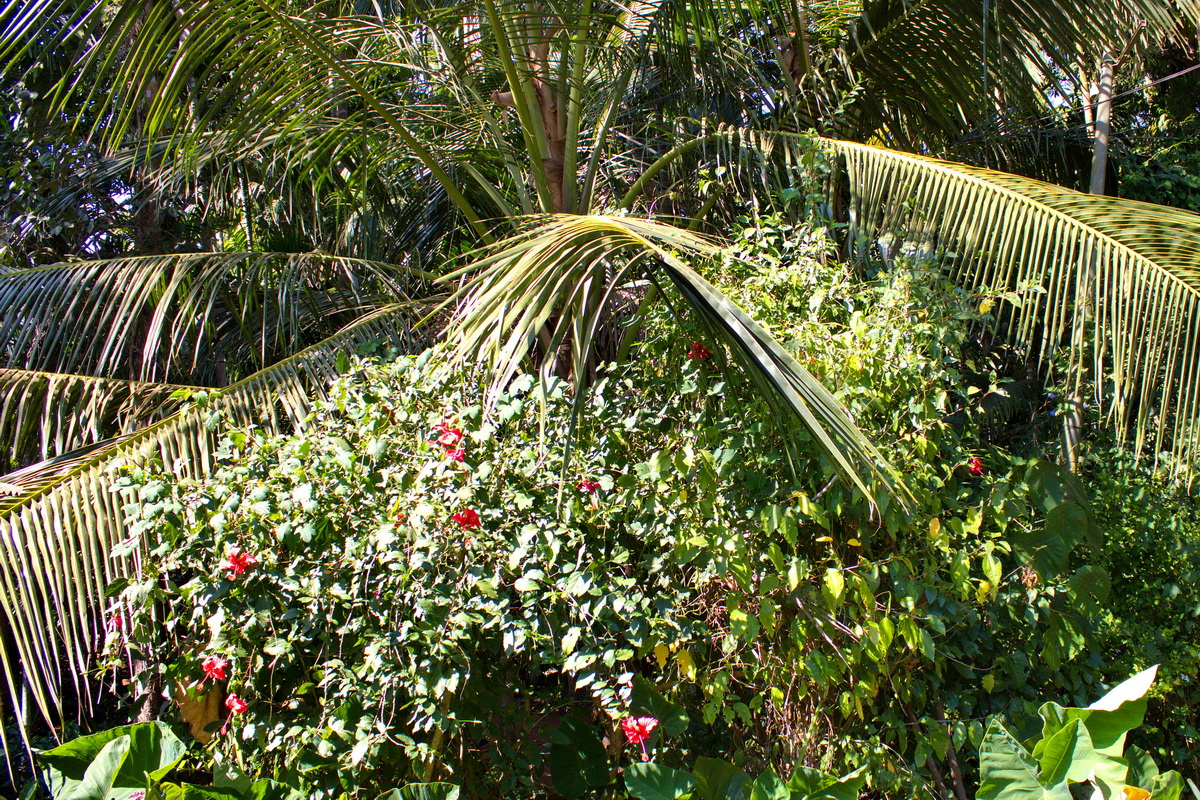
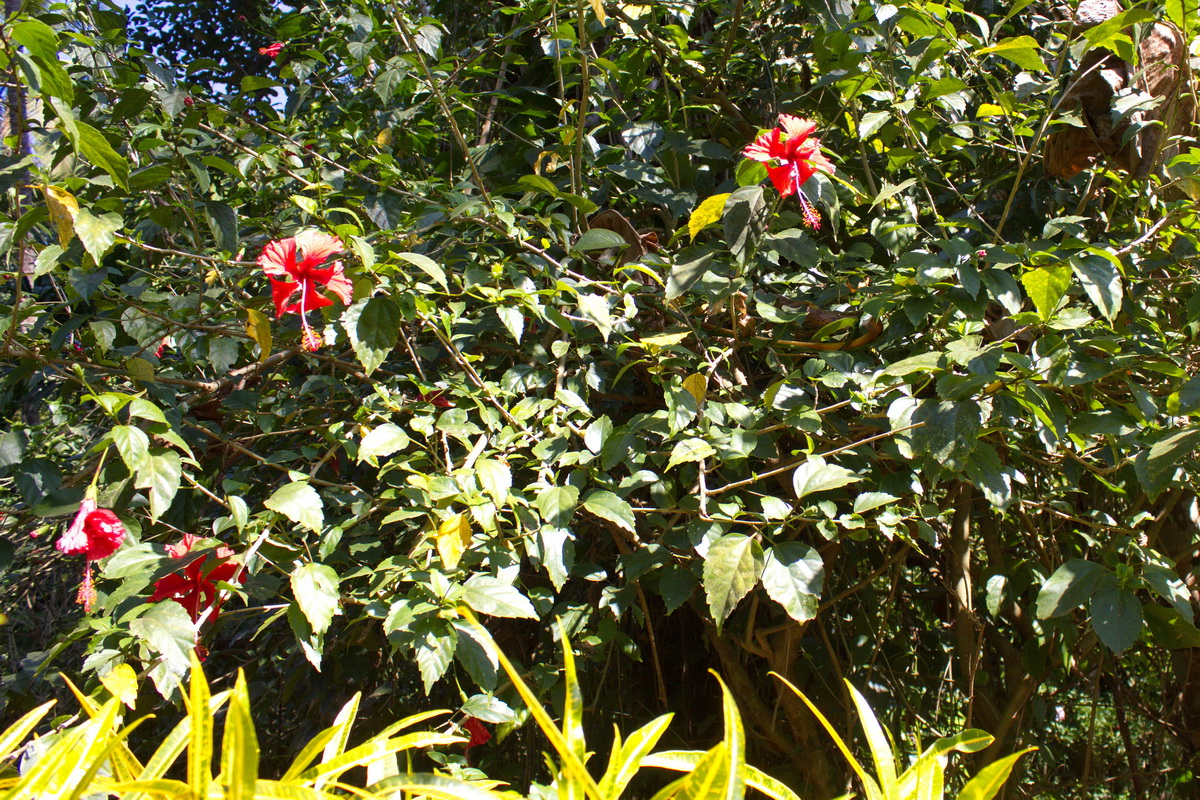
Hibiscus.
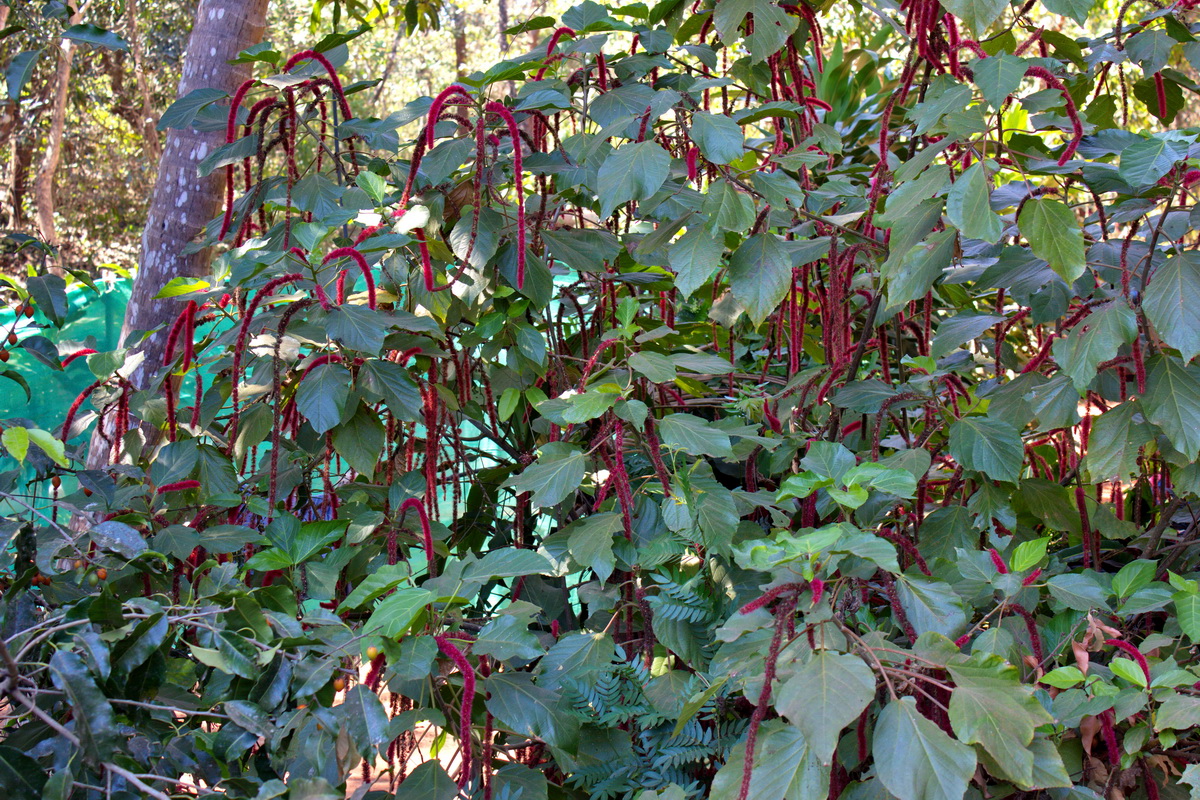
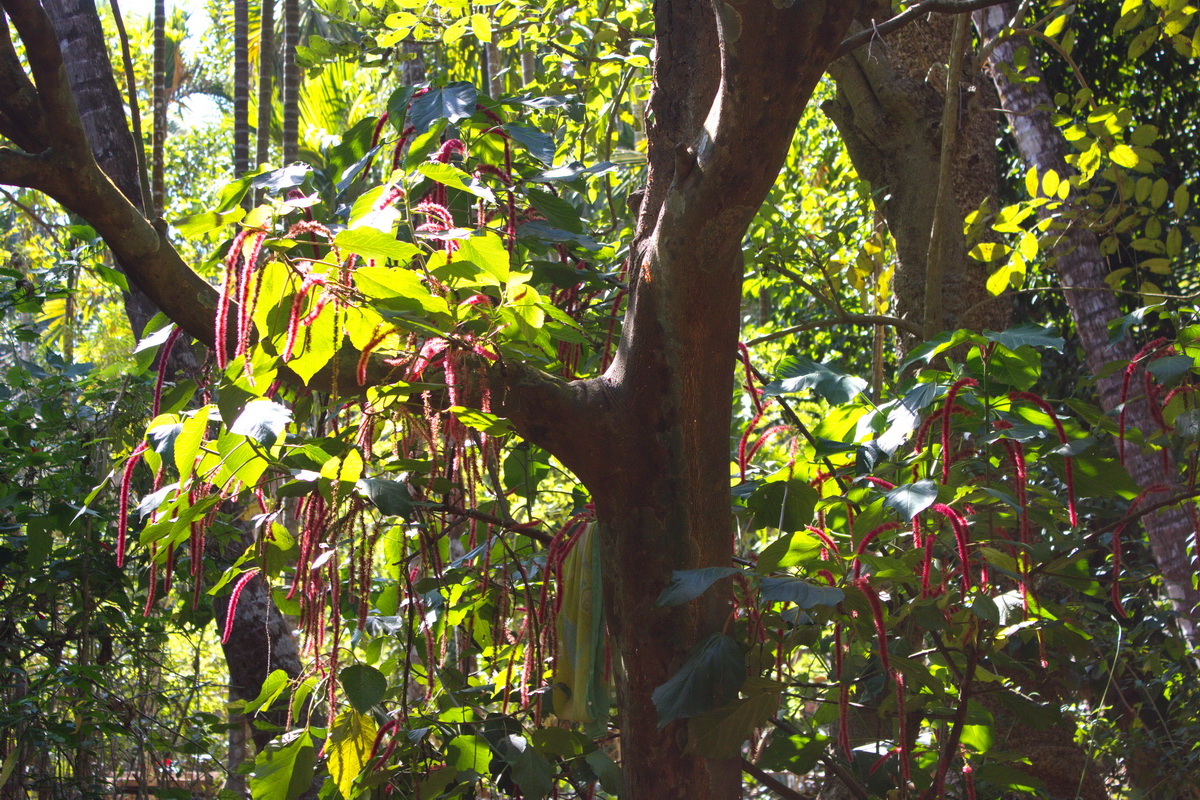
Acalypha.
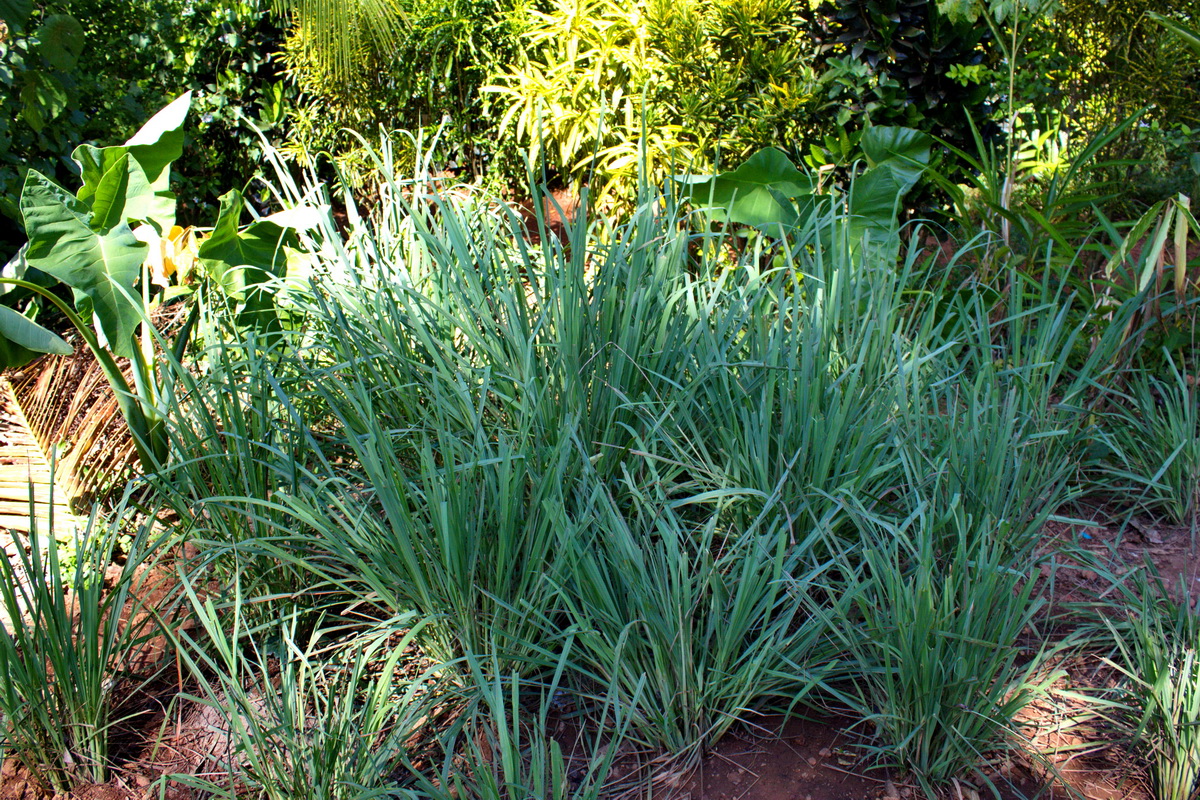
Lemongrass.
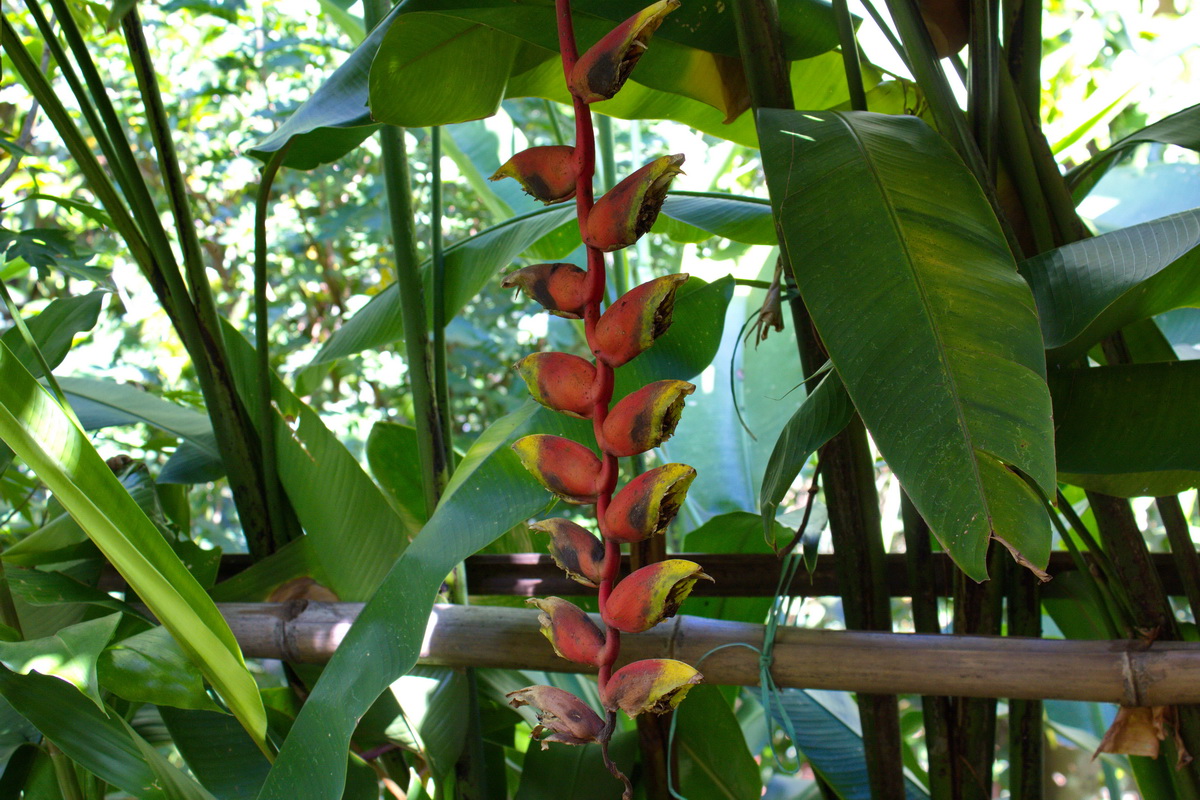
Heliconia.
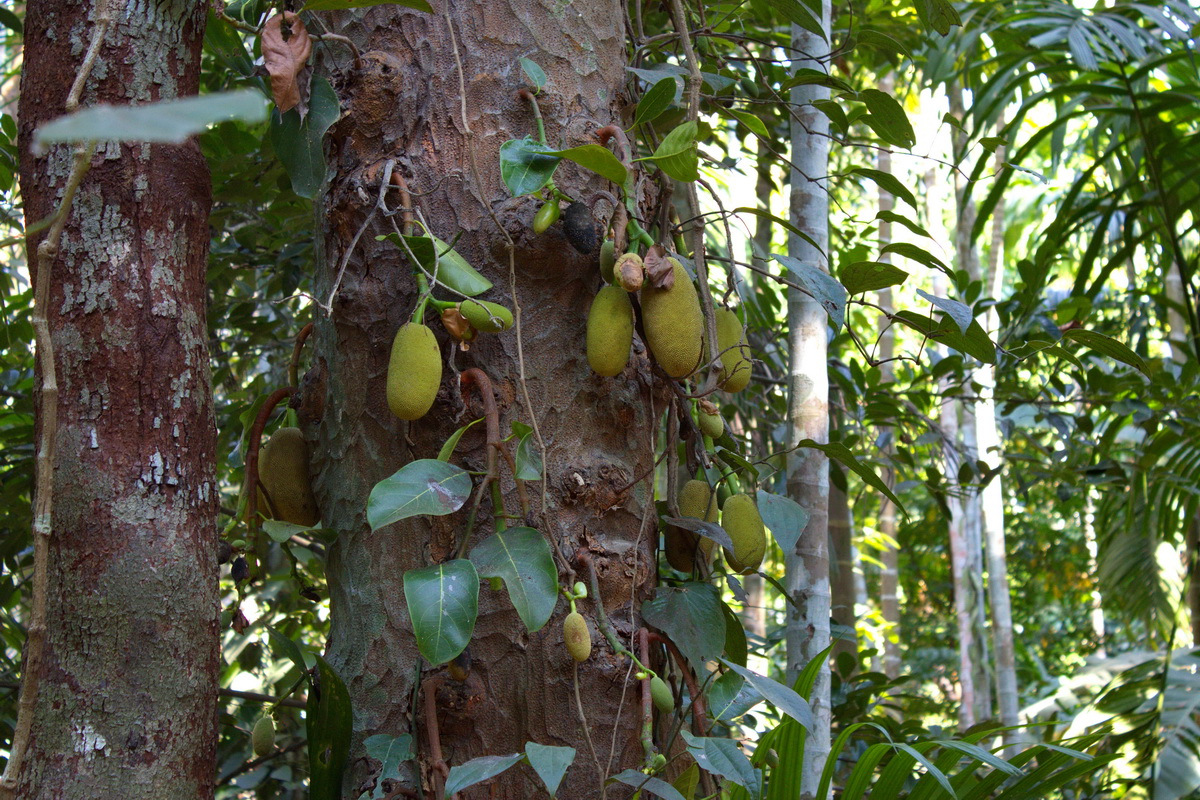
Jackfruit.
...
...
...
Read more: Part IV. Karnataka State.